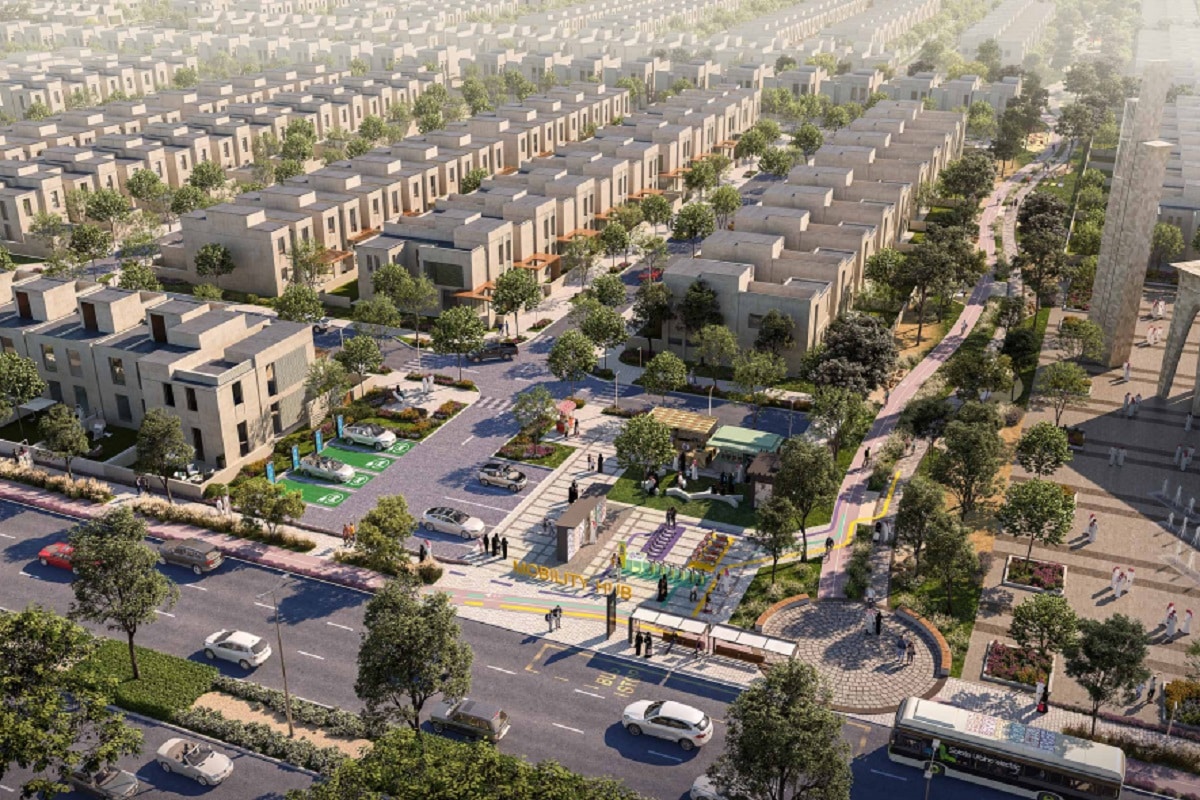
The real estate industry is rapidly evolving, driven by digital transformation, rising customer expectations, and the need for more efficient property operations. Whether you oversee residential buildings, commercial assets, mixed-use developments, or large gated communities, adopting a modern real estate CRM is no longer optional — it’s a necessity.
A powerful CRM designed specifically for the property sector can streamline communication, simplify facility management, and enhance community management. With more developers and property managers embracing technology, the right CRM can become the backbone of your entire real estate operation.
In this comprehensive guide, we explore how a real estate CRM boosts efficiency, improves resident satisfaction, automates workflows, and builds sustainable, tech-enabled communities.
What Is a Real Estate CRM?
A real estate CRM (Customer Relationship Management) system is a specialized digital platform that helps property developers, community managers, landlords, and real estate companies manage:
- Leads and sales
- Tenant data
- Resident communication
- Maintenance requests
- Facility bookings
- Community operations
- Vendor and contractor tasks
- Financial transactions
- Asset performance
Unlike generic CRMs, a real estate CRM is built to meet the unique needs of property operations — from handling tenant lifecycle management to keeping large communities running smoothly.
Why the Real Estate Industry Needs a CRM
Real estate involves multiple stakeholders: residents, owners, tenants, investors, vendors, maintenance teams, and managers. Managing this ecosystem without a centralized system leads to:
- Poor communication
- Operational delays
- Lost revenue
- Mismanaged maintenance
- Low resident satisfaction
- Manual data errors
A real estate CRM solves all these problems by acting as the central digital hub for operations, communication, and service management.
1. How a Real Estate CRM Improves Community Management
Community management is one of the biggest challenges for residential and mixed-use developments. As communities grow, so does the need for:
- Organized communication
- Transparent updates
- Accessible information
- Structured workflows
- Resident engagement tools
A digital community management system integrated within a real estate CRM helps achieve exactly that.
Centralized Communication
Instead of WhatsApp groups, phone calls, or scattered emails, a CRM provides:
- In-app announcements
- Push notifications
- Event updates
- Community guidelines
- Emergency alerts
This ensures every resident stays informed.
Resident Self-Service Tools
A CRM allows residents to:
- Submit maintenance requests
- Pay dues and invoices
- Download community documents
- Book facilities
- Check event calendars
- Receive alerts
This reduces workload for management while increasing convenience for residents.
Transparency and Trust
When residents have access to clear communication and timely services, the community becomes more organized and trust increases. Transparency is one of the biggest benefits of digital community management.
2. Boosting Operational Efficiency Through Facility Management
Facility management is a core component of real estate operations. Buildings and communities often include:
- Elevators
- HVAC systems
- Parking structures
- Security systems
- Gyms and recreational areas
- Event spaces
- Common areas
- Landscaping
A real estate CRM with facility management capabilities ensures all assets remain functional, safe, and well-maintained.
Smart Maintenance Workflows
Instead of manual ticketing, the CRM automates:
- Maintenance request creation
- Team or vendor assignment
- Priority setting
- Progress tracking
- Completion verification
This eliminates delays and ensures high-quality work.
Preventive Maintenance Scheduling
The system auto-generates maintenance schedules for:
- Electrical systems
- Plumbing
- Air conditioning
- Fire safety equipment
- Generators
- Shared facilities
Preventive care reduces downtime and extends asset lifespan.
Vendor and Contractor Coordination
A CRM simplifies vendor management by offering:
- Digital work orders
- Performance tracking
- Payment history
- Contract storage
- Rating and review systems
With streamlined vendor coordination, repairs and operational tasks are completed faster and more efficiently.
Real-Time Facility Booking
Facilities like gyms, pools, halls, and sports courts can be booked digitally. This prevents double-booking and keeps operations smooth.
A real estate CRM goes beyond operations — it also strengthens the commercial side of real estate. Developers and sales teams can manage:
3. Integrating Sales, Leasing, and Tenant Management
- Lead capture
- Sales funnel tracking
- Automated follow-ups
- Rental inquiries
- Contract management
- Unit availability
- Lease renewals
Lead Management and Automation
Real estate CRM systems capture leads from:
- Websites
- Social media
- Property portals
- Walk-ins
- Email campaigns
They nurture leads using:
- Automated messages
- Scheduled follow-ups
- Personalized interactions
This increases conversion rates and ensures sales teams never miss a potential tenant or buyer.
Tenant Lifecycle Management
The CRM manages the entire tenant journey:
- Application
- Screening
- Move-in
- Contract signing
- Payments
- Complaints
- Renewals
- Move-out
This delivers a smooth experience and increases retention.
4. Financial Management and Transparency
Finances are the backbone of real estate operations. A CRM simplifies and centralizes all financial workflows:
- Digital invoicing
- Rent collection
- Community dues
- Utility billing
- Payment reminders
- Online payment gateways
- Automated receipts
- Accounting reports
Benefits of Financial Tools
- Fewer manual errors
- Faster reconciliation
- Clear financial history
- Reduced late payments
- Better planning and forecasting
This creates transparency for both management and residents.
5. Data, Reporting, and Decision Making
A modern real estate CRM provides dashboards and analytics that help decision-makers track:
- Revenue
- Expenses
- Maintenance performance
- Community engagement
- Occupancy rates
- Facility utilization
- Vendor performance
- Resident satisfaction
With data-driven insights, managers can make smarter decisions, optimize resources, and plan future improvements.
6. How a Real Estate CRM Enhances Customer Experience
Customer experience is a competitive advantage in modern real estate. A CRM achieves this through:
Faster Response Times
Residents get quicker service and timely updates.
Convenience
Everything is accessible from a mobile app.
Transparency
Clear communication builds trust.
Accessibility
Residents can interact with management anytime, anywhere.
Engagement
Polls, events, notices, and digital services improve community involvement.
A CRM transforms real estate from reactive to proactive — and residents feel the difference.
7. The Future of Real Estate Technology
Real estate CRM systems are becoming more intelligent with:
- Artificial intelligence (AI) for predictive maintenance
- Smart building integrations
- IoT-based facility monitoring
- Chatbots for resident queries
- Automation of repetitive tasks
- Cloud-based scalability
The future of real estate is digital, connected, and automated — and CRM systems are at the center of this shift.
Why You Need a Real Estate CRM Today
A powerful CRM provides:
- Better resident communication
- Streamlined facility management
- Organized community management
- Increased operational efficiency
- Higher customer satisfaction
- Stronger financial control
- Data-driven decision-making
- Faster sales and leasing cycles
It reduces manual work, boosts transparency, and enhances the entire property ecosystem.
Whether you manage a single building or a nationwide portfolio, a real estate CRM can transform your operations and elevate your brand.
Conclusion
The real estate industry is becoming increasingly competitive, and property managers must evolve to meet the expectations of modern tenants and residents. A well-designed real estate CRM is the cornerstone of efficient facility management and effective community management. With automation, digital communication, streamlined workflows, and data-driven tools, property teams can create safer, smarter, and more connected communities.
As technology continues to reshape the industry, investing in a real estate CRM is not just a strategic advantage — it is the future of real estate operations.