HACK LINKS - TO BUY WRITE IN TELEGRAM - @TomasAnderson777 Hacked Links Hacked Links Hacked Links Hacked Links Hacked Links Hacked Links cryptocurrency exchange https://www.100services.com/ https://www.vapeciga.com/affiliate/track-482917-link https://puffbarwholesale.com/affiliate/track-933738-link hi88 new88 789bet 777PUB mega888 1xbet 1xbet plinko Tigrinho Interwin

التصنيف: Hudasoft EN-AE

  • Digital Transformation in Real Estate: Key Aspects and Technologies

    Digital Transformation in Real Estate: Key Aspects and Technologies

    Real estate was once synonymous with paper-heavy transactions, face-to-face deals, and limited data insights. Brokers depended on handshakes, in-person property tours, and personal referrals. But the landscape is rapidly evolving.

    The digital transformation in real estate marks a significant shift toward intelligent systems, data-driven operations, and seamless customer experiences. Whether it is property development, tenant management, or investment, technology is changing how the industry functions.

    In this blog, we break down what digital transformation really means for the real estate industry. We explore key technologies, highlight trends, and provide real-world examples that demonstrate how real estate businesses are evolving with digital tools. Whether you are in the residential space or part of the commercial real estate sector, this guide will help you prepare for the future.

    What Does Digital Transformation Mean for Real Estate

    Digital transformation in real estate refers to the strategic integration of digital technologies into real estate processes.

    This involves using artificial intelligence, Internet of Things devices, mobile platforms, cloud computing, and data analytics to improve customer service, optimize operations, and unlock new revenue streams.

    The shift is driven by the rising expectations of clients, increasing competition from PropTech startups, and the impact of hybrid work. Firms are now focusing on innovation, automation, and digital scalability to maintain market relevance.

    A recent 2023 report by Deloitte found that although 44 percent of U.S. organizations used digital transformation to radically change their business in 2023, only 18 percent reported achieving that level of digital maturity, highlighting a significant gap between ambition and execution

    Key Aspects of Digital Transformation in Real Estate

    1. Enhanced Customer Experience

    Customers today expect quick, personalized, and mobile-first experiences. Digitally transformed companies use tools like:

    • Virtual walk-throughs and 3D tours
    • Chatbots for instant responses
    • AI-powered property suggestions
    • Self-service portals for renters and buyers

    This results in higher conversion rates, faster sales cycles, and greater customer satisfaction.

    A recent survey revealed that virtual tours increase the likelihood of a home being viewed by 95 percent, and buyers are 54 percent more likely to purchase a property if it includes a virtual tour.

    2. Improved Operational Efficiency

    Digital platforms reduce manual work, allowing real estate teams to:

    • Automate lease generation and digital signing
    • Track maintenance and service requests in real time
    • Use mobile apps for inspections and property updates
    • Integrate accounting, leasing, and CRM systems

    This streamlines internal workflows and reduces overhead.

    3. Data-Driven Decision Making

    Digital transformation in the real estate industry gives firms access to real-time data for:

    • Pricing optimization
    • Property performance monitoring
    • Portfolio benchmarking
    • Market demand forecasting

    According to McKinsey, real estate firms that use data effectively outperform competitors by up to 25 percent in profitability

    4. New Business Models

    The shift to digital tools is enabling new business models such as:

    • Subscription-based co-living and co-working spaces
    • AI-powered digital brokerages
    • Smart buildings with integrated energy systems
    • Tokenized real estate investments

    These new approaches improve asset utilization and open up real estate ownership to wider audiences.

    Technologies Driving Digital Transformation in Real Estate Sector

    1. Artificial Intelligence and Machine Learning

    AI helps in:

    • Predicting property values
    • Scoring leads and automating follow-ups
    • Identifying maintenance issues through image recognition
    • Enhancing customer service through virtual assistants

    A report by Forbes found that AI-powered chatbots handle over 70 percent of initial real estate inquiries

    2. Internet of Things (IoT)

    IoT devices installed in smart buildings allow property managers to:

    • Track energy use
    • Detect leaks or system failures
    • Monitor foot traffic
    • Adjust heating and lighting based on occupancy

    The global smart building market is projected to reach 121 billion US dollars by 2026

    3. Big Data and Real-Time Analytics

    By combining internal and external data sources, real estate firms can:

    • Anticipate market trends
    • Personalize property recommendations
    • Benchmark against competitors
    • Track consumer behavior

    These insights allow companies to reduce risk and increase agility.

    4. Virtual and Augmented Reality

    Virtual reality enables buyers and tenants to experience spaces remotely. Augmented reality can overlay furniture, renovation ideas, or floor plans onto a physical space using a smartphone or headset.

    This is especially useful in digital transformation in commercial real estate, where high-value leases require precision and convenience.

    5. Blockchain and Smart Contracts

    Blockchain simplifies and secures real estate transactions. Smart contracts automatically:

    • Transfer ownership
    • Verify identities
    • Enforce lease terms
    • Automate escrow and payments

    This reduces fraud and accelerates the closing process.

    6. CRM and Marketing Automation

    Modern real estate CRMs like HubSpot, Propertybase, and Salesforce integrate marketing, lead nurturing, and transaction management into one platform. Automation allows teams to:

    • Respond instantly to inquiries
    • Personalize communication at scale
    • Track lead behavior and intent

    This significantly improves conversion rates.

    Case Studies: Real Estate Firms That Went Digital

    Qarya – Smart Community Management Transformation

    Qarya, developed for residential communities, is a prime example of digital transformation in the real estate sector beyond traditional brokerage and commercial use cases 

    Challenge
    Property managers faced issues with fragmented communication, slow service ticket handling, weak visitor management, and low resident engagement.

    Solution
    Qarya introduced a unified PropTech platform offering:

    • Centralized communication and announcements
    • Digital service and maintenance request workflows
    • Smart visitor access and security logging
    • Integrated payments and event management
    • A community marketplace for peer-to-peer interaction

    Results (within six months):

    • 40% faster maintenance turnaround
    • 60% reduction in unauthorized access
    • 75% boost in resident engagement
    • Lower admin workload and higher satisfaction

    This case exemplifies how digital transformation isn’t limited to enterprises—it improves experiences for homeowners, residents, and service teams alike.

    How Applications Help in Real Estate Digital Transformation

    From property listings to tenant engagement, purpose-built applications are the backbone of digital transformation in real estate. They streamline workflows, enable real-time decision-making, and enhance user experiences across the board.

    Today’s leading real estate platforms are powered by custom solutions that go beyond off-the-shelf software. Companies are increasingly turning to custom app development services to build tools that are aligned with their specific operational models whether they manage single properties, national portfolios, or smart communities.

    Applications driving transformation include:

    • Real Estate CRM Applications – Manage leads, automate follow-ups, and analyze deal pipelines.
    • Property Listing Platforms – Centralize marketing across multiple channels with integrated IDX feeds and AI-based recommendations.
    • Tenant Management Portals – Provide self-service options for rent payment, maintenance requests, and lease access.
    • Project Management Apps – Coordinate contractors, timelines, and budgets with real-time updates.
    • Virtual Tour & AR/VR Apps – Enable immersive property experiences for buyers and renters without needing physical visits.

    Together, these solutions deliver the agility, transparency, and efficiency needed to thrive in a digitally transformed real estate environment.

    CRM and Lead Management Tools

    Platforms like Salesforce and Propertybase help track:

    • Contact history
    • Deal stages
    • Follow-ups
    • Marketing ROI

    Property Listing Platforms

    Zillow, Realtor.com, and Redfin dominate listing distribution. They use AI to:

    • Rank properties
    • Suggest listings based on behavior
    • Provide market insights

    Tenant and Lease Management Portals

    Apps like AppFolio and Buildium allow tenants to:

    • Pay rent online
    • Request maintenance
    • Communicate with landlords
    • Access lease documents securely

    Virtual Tour and AR Tools

    Matterport and EyeSpy360 allow buyers to experience homes in 3D and VR environments. These are becoming standard across listings.

    Project Management Software

    Tools like Procore and PlanGrid allow developers to:

    • Manage construction schedules
    • Share blueprints and updates
    • Track budgets and compliance

    Challenges of Digital Transformation in Real Estate

    Resistance to Change

    Many professionals still rely on legacy systems and resist new technologies. Change management and executive buy-in are essential to adoption.

    Data Privacy and Cybersecurity

    With more data being collected and stored, firms face risks around compliance, hacks, and leaks. Companies must invest in encryption, secure access controls, and regulatory compliance.

    Digital Skills Gap

    Many teams are not trained to use modern tools. Without upskilling, digital investments may go underutilized.

    Cost of Implementation

    While long-term ROI is strong, upfront costs can be high. This includes licensing fees, system integration, and staff training.

    Digital Transformation in Real Estate Trends to Watch

    1. Smart leasing and automated tenant screening
    2. Blockchain-based title verification
    3. Digital twins for design and operations
    4. AI tools for investment and risk analysis
    5. Fractional real estate investing through tokenization

    The digital transformation in real estate trends point to a future where properties are as programmable as websites, and decision-making is powered by live data.

    Conclusion

    The digital transformation in the real estate industry is a powerful shift that is redefining how companies operate, serve clients, and grow. From smart buildings and AI valuations to tokenized investments and virtual leasing, the future of real estate is digital.

    Embracing this shift leads to:

    • Smarter decision-making
    • Higher client satisfaction
    • Lower operational costs
    • Scalable, future-ready businesses

    Whether you are a property manager, broker, investor, or developer, now is the time to adopt the tools and strategies that will shape the next decade of real estate success.

    Frequently Asked Questions

    How does AI help in real estate operations?

    AI automates lead scoring, customer service, price prediction, and portfolio analytics. It reduces response times and improves efficiency.

    Can digital transformation reduce real estate costs?

    Yes. Automation, virtual tools, and predictive maintenance all reduce administrative, marketing, and operational costs.

    What are the first steps to digitizing a real estate company?

    Start with a CRM, digitize your document workflows, adopt cloud storage, train your team, and integrate virtual tour tools.

    Are there risks to adopting PropTech solutions?

    Risks include data breaches, reliance on third-party vendors, and employee resistance. These can be mitigated with strong IT policies and change management.
  • Predictive Analytics in Real Estate: Use Case and Benefits

    Predictive Analytics in Real Estate: Use Case and Benefits

    In 2023, global residential real estate transactions exceeded $9 trillion—an industry bursting with opportunity, yet far too complex to rely on instinct alone. With shifting tenant behaviors, fluctuating market conditions, and growing data streams, staying ahead now demands more than just experience.

    In fact, 87% of real estate leaders believe predictive analytics will significantly shape their business decisions before 2028.

    That’s what this blog is all about: how predictive analytics is transforming real estate, from forecasting property value and tenant churn to optimizing lease pricing and reducing vacancies.

    And to truly harness this power, off-the-shelf tools aren’t enough.

    This is where custom real estate app development becomes essential built around your workflows, data, and strategy to deliver real-time insights and a serious competitive edge.  Let’s explore how.

    1. What Is Predictive Analytics in Real Estate?

    At its core, predictive analytics harnesses historical and real-time data, statistical modeling, and machine learning to forecast future events notably property value, tenant turnover, vacancy rates, lease renewal probability, and demand trends.

    According to McKinsey, companies deploying predictive models achieve 8–10 % higher profits and 10–15 % lower costs than their averages. In real estate, where margins can be razor-thin and timing is everything, these gains are transformational.

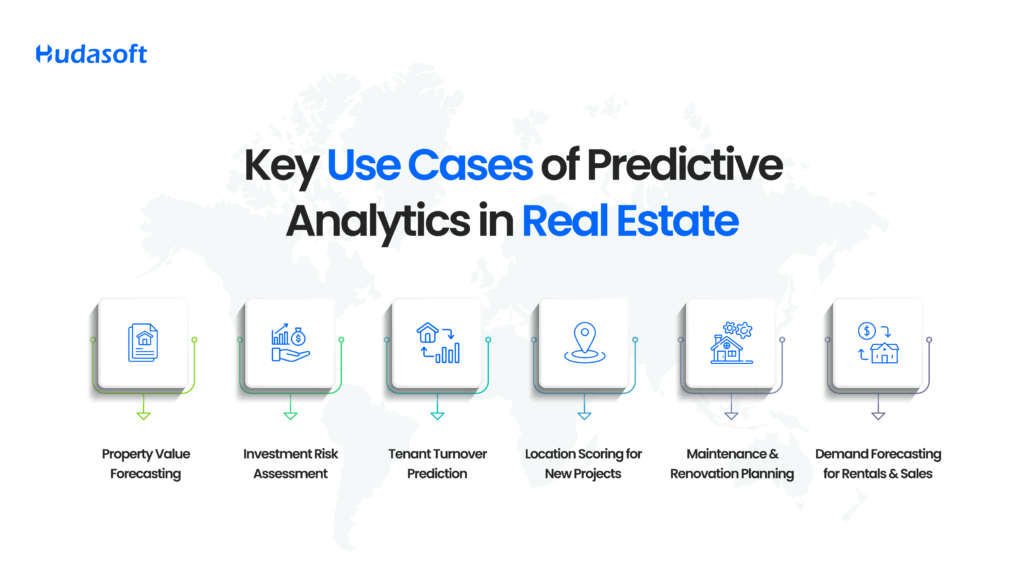
    2. Key Use Cases of Predictive Analytics in Real Estate

    Key Use Cases of Predictive Analytics in Real Estate

    A. Property Value Forecasting

    Leveraging external variables like neighborhood trends, school quality, and infrastructure changes, models like Zillow’s Zestimate process 7.5 million data points daily to predict valuations across 100 million+ homes.

    Custom apps take this further by ingesting your proprietary listing data, comparative sales, and local economic indicators delivering tailored forecasts that help you make smarter buy/sell decisions.

    B. Investment Risk Assessment

    Risk isn’t only about interest rates. Predictive risk includes property age, crime metrics, natural-disaster zones, and socio-economic shifts. GA‑SVM techniques (Genetic Algorithm‑Support Vector Machine) outperform traditional risk models notably in financial scenarios by offering higher accuracy and lower overfitting.

    That means cleaner underwriting and more dependable returns.

    C. Tenant Turnover Prediction

    A single tenant turnover can cost up to $4,000, factoring in lost rent, marketing, repairs, and administration. Using tenant history, lease terms, and service requests, predictive tools identify “likely-to-leave” tenants well before notice is given, enabling proactive retention programs.

    D. Location Scoring for New Projects

    From foot-traffic heatmaps to demographic shifts and competitor storefront density, platforms like Placer.ai evaluate thousands of real estate attributes. The result? Quantified, data-driven “location scores” that guide optimal development and leasing decisions.

    E. Maintenance & Renovation Planning

    IoT sensors coupled with predictive models can lower maintenance expenses by 25 % and extend equipment lifespan by 30 % a conclusion backed by CBRE’s facilities management research. This data-backed approach shifts maintenance from reactive to predictive.

    F. Demand Forecasting for Rentals & Sales

    CoStar researchers revealed that multifamily demand forecasting reduced inventory mismatches by 18 % in major U.S. metros in 2024. Advanced forecasting enables better market timing, more strategic pricing, and reduced vacancy risk.

    3. Benefits of Predictive Analytics in Real Estate

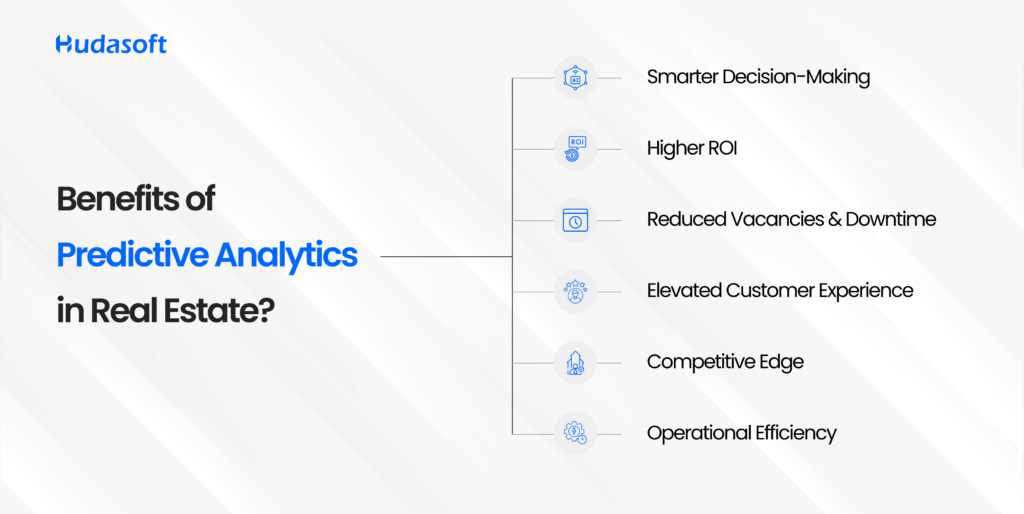
    Benefits of Predictive Analytics in Real Estate

    1. Smarter Decision-Making

    Leverage hard data not intuition to forecast value, demand, and occupancy trends with confidence.

    2. Higher ROI

    McKinsey reports that analytics-led investors experienced up to 25 % ROI improvement in acquisitions and asset management .

    3. Reduced Vacancies & Downtime

    Targeting lease expirations and vacancy risk allows for proactive marketing and new tenant onboarding even before spaces go dark.

    4. Elevated Customer Experience

    Personalized recommendations (e.g., “This unit is 92 % likely to match you based on…”) and timely interventions (e.g., maintenance, renewal reminders) enhance satisfaction.

    5. Competitive Edge

    Model-based forecasting trades guesswork for early insights. That means being the first to capitalize on emerging hotspots or raise rents in ascending markets.

    6. Operational Efficiency

    Automate forecasting, reporting, maintenance alerts, and rent adjustments freeing your team to focus on high-impact strategy and growth.

    4. Insight From Industry Studies & Reports

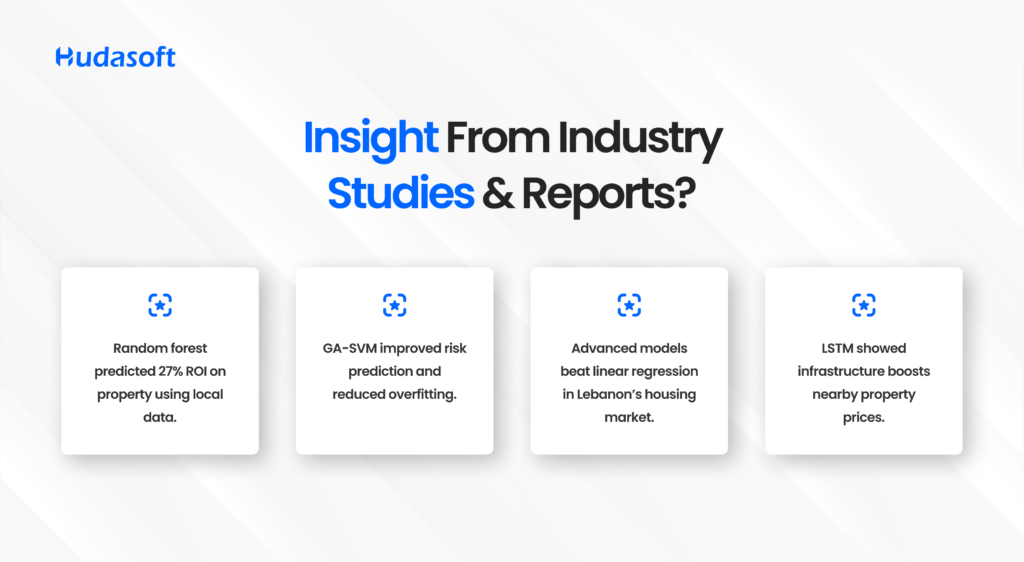
    Insight From Industry Studies & Reports
    • A GA‑SVM financial risk model improved classification accuracy and reduced overfitting making it a strong candidate for loan underwriting and investor screening systems.
    • Comparative evaluations between LSTM, Random Forest, and Stacking Regressors in Lebanon show advanced models outperform linear regression in real-life market contexts.
    • A big-data-driven forecasting model analyzed how local infrastructure (like public housing) influences nearby prices using LSTM, aiding urban planning and pricing strategy.

    5. ‘Real Estate Analytics Tools’ & ‘Predictive Analytics Tools for Commercial Lease Forecasting’

    Use CaseTop Tool / MethodOutput & Insight
    Property ValuationZillow Zestimate, Custom RF modelsAccurate value range, +/- margin
    Lease Price & ExpiryMashvisor, Reonomy + GA‑SVMRisk, vacancy, rent trends
    Investment ScoringPlacer.ai, CoStar Risk AnalyticsLocation score, risk indicators
    Tenant Churn DetectionCustom churn models + CRM integrationProbability score + alerts
    Maintenance ForecastingIoT + predictive maintenance platformsPre-failure alerts
    Demand ForecastingCoStar Multifamily ForecastingVacancy & demand timeline

    Commercial lease forecasting tools (e.g., CoStar Risk Analytics) blend property characteristics, tenant behavior, and market conditions into forward-looking models essential for long-term planning and portfolio diversification.

    6. Why Custom Real Estate Apps Are Essential

    Off-the-shelf tools offer broad features, but Custom Real Estate App Development delivers a competitive advantage by aligning technology with your specific property goals and data ecosystem.

     Data Integration

    Connecting your ERP, CRM, listing databases, MLS feeds, IoT sensors, and external APIs into a unified data lake.

     Predictive Engine & Dashboards

    Tailored modules for vacancy forecasting, dynamic pricing, tenant risk modeling, and portfolio optimization all powered by ML models trained on your organization’s data.

     Real-time Insight, Real-time Action

    Forget static reports your tools respond to early warning signs: an at-risk tenant, an underperforming region, or rising vacancy rates. Automated alerts and proactive outreach become the norm.

     Scalable, Extensible Architecture

    Whether you’re a single-market developer or multi-city property manager, these tools grow with your business ready for new data, models, and features.

    7. Unlocking Predictive Analytics Your Seven-Step Roadmap

    1. Define Goals: Identify your business-critical decisions value estimation, lease forecasting, churn prediction, etc.
    2. Audit Your Data: Map internal (CRM, listings, tenant) and external (market data, census, financial) sources.
    3. Choose Models: Match business problems to methods RF for valuation, GA‑SVM for risk, LSTM for demand.
    4. Train & Validate: Use real historical data with holdout testing to tune model accuracy.
    5. Integrate: Deploy models within your CRM, dashboards, and workflows for real-time usage.
    6. Automate: Trigger alerts and actions maintenance orders, tenant offers, rent adjustments—based on predictions.
    7. Monitor & Iterate: Continuously evaluate accuracy; retrain with fresh data; refine features and user feedback.

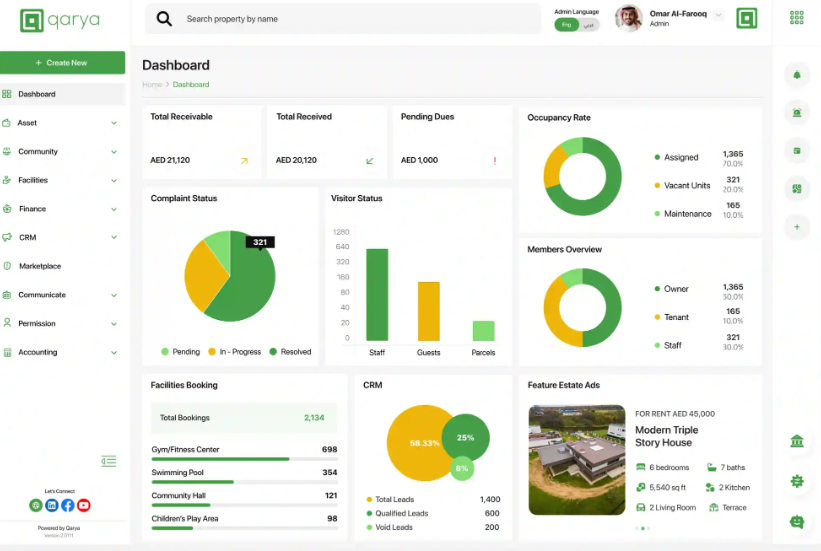
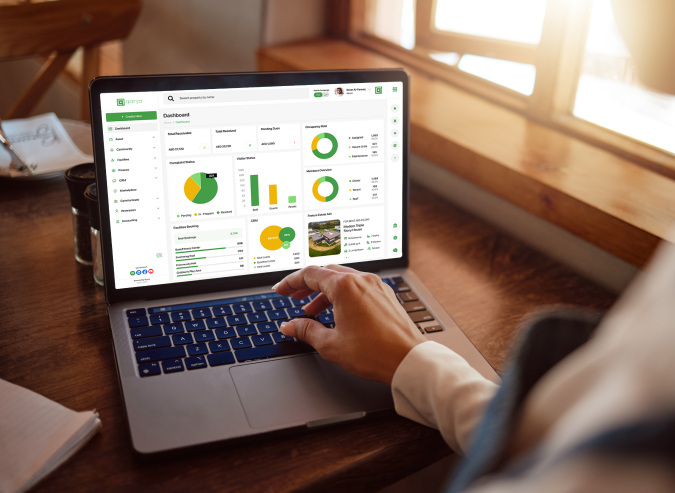
    Case Study: Qarya – Making Smart Communities Smarter

    qarya case study

    Challenge:
    Property managers using traditional tools struggled with rising tenant churn, delayed maintenance, and unpredictable amenity usage. They had data but no insight.

    Solution:
    Hudasoft built Qarya with predictive analytics at its core. By analyzing lease patterns, app usage, service requests, and IoT sensor data, Qarya enabled:

    • Early detection of tenants likely to leave
    • Forecasting amenity demand like gym or pool usage
    • Predictive maintenance to prevent equipment breakdowns

    Impact:

    • 18% increase in lease renewals
    • 22% reduction in maintenance issues
    • Faster decision-making with real-time dashboards

    Qarya shows how predictive analytics turns residential data into proactive action making communities more efficient and resident-friendly through an intelligent property management solution.

    Conclusion 

    Real estate, a trillion-dollar, high-stakes industry demands precision. Predictive analytics transforms your data into foresight:

    • Are your acquisitions undervalued or overhyped?
    • When is the next vacancy risk coming and who will fill it?
    • Where will rent spikes or funding gaps occur and how do you prepare?

    Custom real estate apps make these questions actionable translating data into a confident, data-driven strategy.

    FAQs

    What exactly is predictive analytics in real estate?

    Using ML models to process historical and real-time data such as listings, tenant behavior, lease terms, and economics to forecast future outcomes like price changes, occupancy risk, and maintenance needs.

    Which “real estate analytics tools” are most effective today?

    Top solutions include Zillow Zestimate for valuation, CoStar and Reonomy for market analytics, Placer.ai for location intelligence, Mashvisor for investment scoring, and custom AI models for tailored insights.

    Can predictive analytics forecast commercial lease trends?

    Absolutely. Tools integrate tenant data, market demand curves, and macro conditions to predict lease expirations, pricing changes, and vacancy timelines enabling strategic lease management.

    Why choose custom software over off-the-shelf SaaS?

    Custom platforms integrate deeply with your internal systems, offer real-time insight, data automation, tailored analytics, and adapt as your business evolves delivering ROI far beyond generic tools.

    What ROI can predictive analytics bring?

    Based on studies and industry benchmarks:
    25 %+ ROI uplift in cluster acquisition and management
    Data‑driven valuation improvements, approx. 10–20 % better pricing accuracy
    Up to 30 % reduction in maintenance costs and equipment downtime

  • How Artificial Intelligence Is Redefining Property Investment and Management

    How Artificial Intelligence Is Redefining Property Investment and Management

    Real estate has long been perceived as a slow-moving, labour-intensive industry driven by manual site visits, paperwork, and human intuition. In the era of digital transformation, however, Artificial Intelligence (AI) is fundamentally changing the landscape. 

    Today, AI enhances everything from property searches assisted by computer vision to predictive analytics for investment decisions. Meanwhile, intelligent real estate apps are becoming essential tools for property businesses seeking speed, accuracy, and scalability.

    In this post, we explore how AI and real estate intersect across multiple dimensions, highlighting strategic benefits for investors, agents, and developers, and examining the core components of automated real estate investing systems.

    The Growing Role of AI in Real Estate

    The adoption of AI in real estate is accelerating rapidly. The global AI in real estate market was valued at $222.6 billion in 2024 and is projected to reach $303.1 billion in 2025, a 36.1 percent year-over-year increase. Over a longer horizon, some projections place market size close to $989 billion by 2029, with an average annual growth of 34.4 percent.

    Major drivers include:

    • Automated Valuation Models (AVMs) enabling instant property appraisals
    • Natural-language chatbots for property search and customer engagement
    • Predictive analytics guiding smarter investments and asset management
    • AI-powered automation of leases, contracts, and listing processes
    • Computer-vision systems enabling virtual tours and enhanced listing previews

    AI is not a futuristic concept, it is actively reshaping the real estate ecosystem.

    How Real Estate Businesses Benefit from AI

    How Real Estate Businesses Benefit from AI
    ProblemAI SolutionMeasurable Impact
    Inaccurate valuationsAI-powered AVMsReduced error margins to under 5%, valuations in seconds
    Poor lead qualityAI lead scoring and segmentationImproved conversion rates and 30–40 percent drop in wasted follow-ups
    Slow document processingNatural-language processing for lease and contract analysisAuto-extraction accuracy up to 90 percent; saves hours per file
    Manual listing creationAuto-populate MLS listings via image/document AIReduces data entry time by 5–10 minutes per listing

    1. AVMs for Precision Valuation

    Traditional appraisals can require days and are subject to bias. AI-based AVMs use property history, neighbourhood data, and even satellite images to produce highly accurate valuations within minutes, typically within 3–5 percent of actual market values.

    2. Lead Scoring and Segmentation

    AI analyses buyer signals such as listing views and chat interactions to rank leads by intent. Firms using this technology report 30-40 percent fewer low-potential follow-ups and improved response efficiency.

    3. Document Automation via NLP

    AI tools with natural-language processing capabilities extract key lease terms, deadlines, and financial obligations with 80–90 percent accuracy, significantly reducing manual review time and risk of error.

    4. Listing Auto-Fill

    AI systems process listing documents and images to recommend features and auto-populate listings. This saves agents several minutes per entry and improves listing consistency and speed.

    Real-World Applications of AI in Real Estate

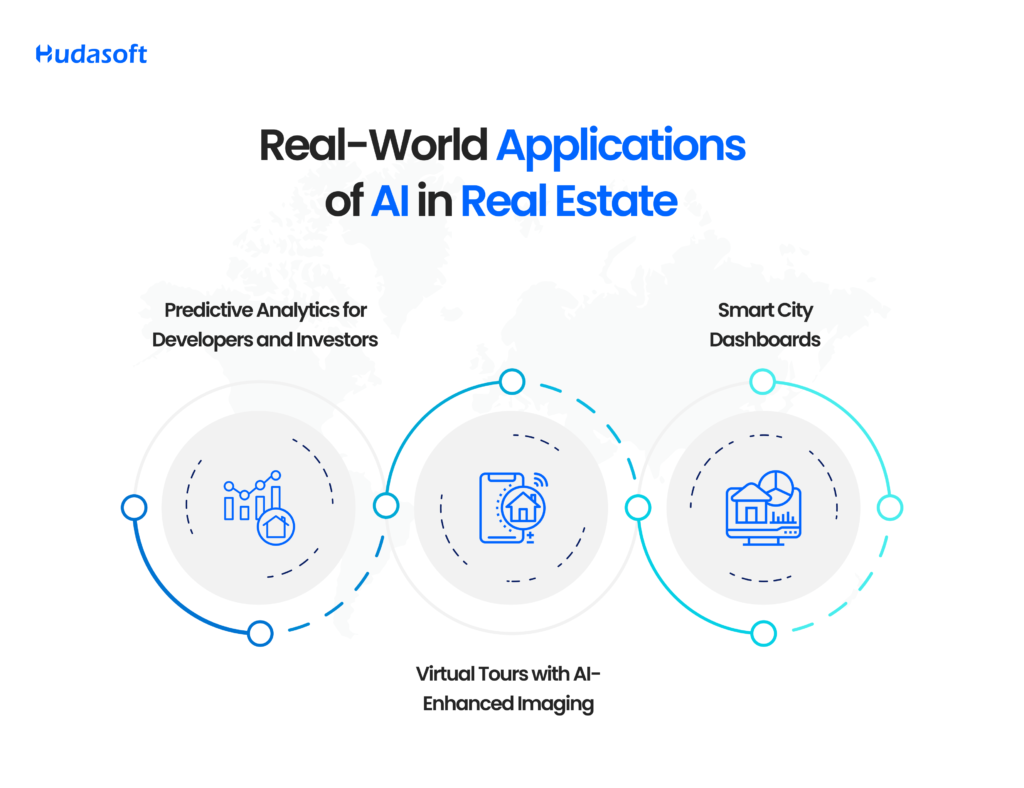
    Real-World Applications of AI in Real Estate

    Here is a deep dive into a high-impact use case:

    1. Predictive Analytics for Developers and Investors

    AI models integrate historical sales, demographics, infrastructure data, and economic indicators to identify promising investment opportunities. Automated alert systems notify users when a property meets specific ROI criteria.

    According to McKinsey, commercial real estate companies leveraging AI garnered more than a 10 percent increase in net operating income via smarter retention and asset strategies. Another study by Knight Frank estimated that implementing predictive maintenance alone can reduce repair costs by 25 to 30 percent and cut downtime in half.

    2. Virtual Tours with AI-Enhanced Imaging

    AI-enhanced virtual tours now include dynamic features like virtual staging, background clean-up, and interactive furniture placement. These tours deliver a 20 to 30 percent increase in buyer engagement and lead qualification rates.

    3. Smart City Dashboards

    Developers and investors now use real-time, city-level dashboards powered by AI that integrate data on foot traffic, vacancy trends, permitting, and infrastructure changes. These dashboards support data-driven planning and optimization at scale.

    Building AI into Real Estate Apps

    Building AI into Real Estate Apps

    To create an effective AI real estate system, key modules include intelligent search, predictive pricing, document automation, virtual assistants, and investment dashboards. 

    With expert real estate app development services, these features can be tailored to your business needs—driving smarter, data-backed decisions.

    1. Natural-Language Property Search

    Offer intuitive search filters like “three-bedroom condos under $500k near top-rated schools.”

    2. Predictive Lead Insights

    Automatically rank leads by conversion probability, helping agents prioritize high-value prospects.

    3. Real-Time Market Heatmaps

    Display overlays of rent trends, days-on-market statistics, and investor interest to guide pricing and strategy.

    4. Intelligent CRM Integration

    Sync lead data, generate follow-up tasks, and trigger reminders based on AI insights.

    5. Automated Notifications and Workflow Triggers

    Automate alerts such as “Price dropped 5 percent” or “Lead inactive for 48 hours” to maintain client engagement and efficiency.

    Together, these features establish a seamless AI-driven platform that automates repetitive tasks and delivers strategic insights.

    Final Words

    Hudasoft AI is fundamentally transforming every stage of the real estate lifecycle, from valuation and client engagement to prediction and property management. As adoption increases, real estate professionals will benefit from:

    • Faster, more accurate automated valuations
    • Smarter lead processes and higher conversion rates
    • Significant time savings on document and listing tasks
    • Enhanced investment decision-making based on data and forecasting
    • Elevated client experiences powered by virtual tours and intelligent interactions

    For brokers, investors, and developers, adopting or building an AI-powered real estate app is no longer optional—it is critical to remain relevant and competitive in a fast-evolving market.

    Frequently Asked Questions

    How is AI used in real estate today?

    AI supports tasks like instant valuations through AVMs, lead scoring, lease document analysis, virtual home staging, chat-based customer support, and predictive analytics for property performance.

    What are the top AI features in real estate apps?

    Key features include natural-language search, predictive lead scoring, AI-powered virtual tours, market heatmaps, chatbot assistance, and automated workflow triggers.

    Can AI help in finding better property deals?

    Yes, AI platforms can screen thousands of properties daily for ROI, rental yield, and market trends and alert investors to high-potential opportunities.

    What is the cost of building an AI-powered real estate app?

    Basic search and chatbot features start around $50,000 to $100,000. Advanced apps with AVMs, predictive analytics, and full CRM integration can range from $150,000 to $500,000 or more.

    Is AI safe for client data in real estate?

    Yes, when platforms adhere to data privacy frameworks like GDPR or CCPA and implement encryption for data at rest and in transit, AI tools can securely manage sensitive client information.

  • 10 Steps to Build a Real Estate App

    In today’s real estate market, a well-built app is more than just a search tool. Everyone wants to build the next Zillow, but most real estate apps don’t even survive the App Store.

    Too many businesses rush into development without a clear plan. They end up with something flashy but broken with tools no one uses, and features that don’t fit. Not really made for growth.

    According to Deloitte’s 2024 Commercial Real Estate Outlook, nearly 60% of firms are increasing their tech investments, but common mistakes, such as poor user experience (UX), disconnected systems, and limited scalability, often stand in the way.

    Real estate tech should work like your best agent: fast, responsive, and always closing.
    But getting there requires more than just good code. It takes strategy, research, and a clear roadmap.

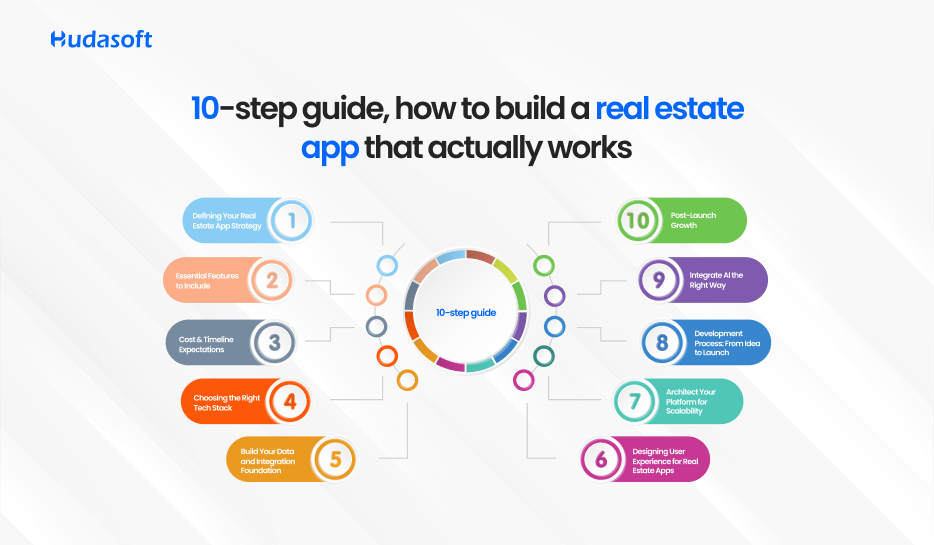
    In this 10-step guide, we’ll walk you through how to build a real estate app that actually works, not just for users, but for your business. From defining your strategy to launching a high-performing app, here’s how top-performing platforms are doing it right.

    10 Steps to Build a Real Estate App


    Step 1 — Defining Your Real Estate App Strategy

    Before you start looking for real estate app development services, take a step back. You need to know what you’re building and why. Otherwise, you’re just throwing tech at problems you haven’t defined.

    Start with the basics.

    • What’s not working in your current setup?
    • Are agents wasting time juggling too many tools?
    • Are clients slipping away because scheduling is clunky or communication is slow?
    • Are deals getting delayed because documents live in five different places?

    Knowing exactly who you’re building for is equally important. Every real estate app serves a slightly different audience, may it be agents, buyers, renters, or investors, their needs are not the same.

    A platform designed for agents needs to focus on speed and deal management. A platform for clients may lean more toward search and user experience. Defining your core audience is key to building an app that works.

    Now look outward. You’re not building in a vacuum. 

    Look at who’s leading. Zillow, Redfin, Trulia, and Compass are platforms with millions of users, huge datasets, and very polished features. But even at their scale, these platforms don’t solve everything for every real estate business. Your job isn’t to copy them. It’s to understand where their models don’t fit your business

    Take note of where these platforms fall short:

    * They’re built for general audiences, not your exact users.

    * They don’t integrate easily with your CRM, franchise tools, or team workflows.

    * They often miss features that would help your agents work faster.

    This kind of market research isn’t about copying. It’s to spot where their models break down, and build something sharper and more specific to your business needs. That’s where your opportunity is.

    Finally, this is where you decide what kind of real estate app you need: a focused solution to support internal operations and agent workflows, or a broader marketplace platform for client-facing engagement.

    When you take the time to align your real estate app development strategy with your business goals, target users, and market insights, you’re in a much stronger position to build an app that actually delivers value, not just another product that adds to the noise. 

    Step 2 — Essential Features to Include

    Once your real estate app development strategy is clear, it’s time to plan the features. The right features will make your app something people rely on every single day. A little extra thought here saves a lot of effort later.

    Your priorities will depend on your business model and your users. But in most cases, these are the essential features that may be for your MVP, i.e., your starter features.

    Buyer & Renter App Features

    For buyers and renters, the experience needs to be fast and smooth so that they are kept engaged on your platform and don’t consider switching. Your operations should be streamlined, with no major gaps, helping them move from search to decision, with less friction.

    • Property search with smart filters

    Helps users narrow listings by location, price, amenities, and personal preferences, so they can find what matters most to them specifically, faster.

    • Geolocation-based discovery

    Lets users browse listings nearby or dive into neighborhoods they care about. This is perfect for clients who want to explore locally.

    • Virtual tours and high-res galleries

    Gives clients a real sense of the space without multiple in-person visits. This lets them make a quicker decision that they also have confidence in.

    • Push notifications for new listings

    Keeps users engaged with instant alerts, so they never miss a property that fits their wishlist.

    • Favorites and comparison tools

    Lets users easily save, compare, and revisit properties, letting them shortlist their options as they move through the buying process.

    • In-app messaging with agents

    Creates an instant line of communication. Helps buyers get questions answered and viewings scheduled without jumping between apps.

    Agent & Seller Features

    For agents and sellers, your real estate application should make it easier to manage listings, leads, and daily tasks, instead of posing a burden to manage their operations on the app as well as manually.

    • Property management dashboard

    Brings all listings into one place and makes it faster to update property details, pricing, and availability.

    • Lead capture and CRM integration

    Automatically collects leads and syncs with your CRM, helping agents respond faster and avoid missed opportunities.

    • Scheduling for open houses & showings

    Keeps calendars in sync so agents can easily manage appointments and keep clients in the loop. This bridges the communication gap that managing it manually creates.

    • Real-time analytics & reports

    Gives agents clear insights into what’s working — from listing performance to client engagement — so they can adjust their efforts where it counts.

    Advanced Features

    For businesses looking to build a stronger, more engaging real estate app, these advanced features add serious value.

    • AI-powered recommendations

    Learns from user behavior to surface better property suggestions. Helping clients discover homes they might otherwise miss.

    • Chatbots for lead qualification

    Handles initial lead conversations automatically. This saves a lot of agents’ time and helps them focus on qualified prospects.

    • Mortgage & affordability calculators

    Gives buyers a clear view of their options. They move from browsing to choosing swiftly.

    • AR-based property visualization

    Lets users explore properties in 3D, offering an immersive experience that keeps them engaged and satisfied.

    Step 3 — Cost & Timeline Expectations

    Before development starts, you need clarity on where your investment is going. You’re not paying for screens and features. You’re building the system that controls how leads flow, how data moves between systems, how agents work, and how your clients experience your business day to day.

    That’s why your budget depends on how much you’re trying to centralize. The more disconnected processes you’re bringing into one place, the more it takes to get the foundation right.

    For most real estate businesses, a lean MVP that covers core workflows starts around $50K–$ 80 K. A full real estate platform with CRM, AI, advanced search, and reporting usually ranges between $120K–$ 250 K+.

    As for timelines, a basic MVP can usually launch in 4–6 months. A full build — especially if you’re replacing legacy systems — often takes closer to 8–12 months.

    A few things will shape both the cost and how fast you get there:

    • How much of your business are you trying to centralize?
    • How many systems need to talk to each other?
    • How much needs to be built from scratch vs. existing tools?
    • How available is your team to give feedback and make decisions during the build?

    One mistake to avoid: trying to budget before you really know what your platform needs to do. That’s when you see projects rebuilt — what looked affordable upfront can’t support operations six months later.

    Your focus should be long-term stability, not short-term savings. The right system pays itself back through cleaner workflows, fewer errors, and faster deals, and helps you avoid the much bigger expense of rebuilding to fix your inconsistencies.

    Step 4 — Choosing the Right Tech Stack

    Once your features and scope are clear, the next decision is your tech stack — what your real estate app is actually built on. This matters more than most people think. The right stack gives you speed, flexibility, and room to grow. The wrong one can slow everything down six months in.

    First, there’s the question of platform:

    Native apps (built separately for iOS and Android) give you the best performance, but also the highest development and maintenance effort.
    Hybrid or cross-platform frameworks like Flutter or React Native can get you to market faster, with one codebase across both platforms. For most real estate apps, this is often the more practical route.

    Next is your backend. A real estate app moves a lot of data like properties, leads, users, content, and needs to handle growth without lag. A cloud-based, scalable architecture is the key here.

    AWS, Firebase, or Azure are common choices; secure, reliable, and built to scale. Choose a stack that lets your app grow with your business, not hold it back.

    Your platform will also need to talk to other tools — no app works in isolation. Plan for seamless API integrations with:

    MLS databases
    CRM systems
    Payment gateways
    Marketing tools and other internal platforms

    Finally, you need to think about compliance. Your real estate app will be handling personal data, client info, lead details, other communications. Hence, building in data privacy and meeting GDPR and local regulations from the start is a must.

    Choosing the right tech stack lets you build something solid that supports your business now, and gives you room to evolve as your needs grow.

    Step 5 — Build Your Data and Integration Foundation

    Every successful real estate app rests on one thing most businesses overlook early: the data foundation. 

    You can have great design, perfect features, but if your data is messy or your systems don’t talk to each other, it all breaks down sooner or later.

    Without a strong foundation, even the best real estate app development projects hit walls. Frustrated users, disconnected workflows, and mounting costs trying to patch things together is what you may see if your foundation isn’t strong. 

    Here’s what your real estate platform needs to get right from day one:

    Verified property data
    Your listings need to sync cleanly with trusted sources — MLS feeds, ATTOM, DataTree, Regrid — so every property shows accurate ownership records, pricing, status, and location.

    Seamless CRM integration
    Your client records, agent pipelines, and lead flows should stay fully updated in real time — no more chasing missing data between platforms.

    Secure payment processing
    Whether handling deposits, transactions, or fees, integrated payment gateways keep money moving safely.

    Automated document handling
    Contracts, e-signatures, and compliance workflowsools like DocuSign or HelloSign help you manage the paperwork side, without obstacles.

    KYC and identity verification
    Fraud prevention and compliance with growing security rules, automated identity verification keeps your platform protected.

    If you don’t map these integrations early, you’ll find yourself constantly patching systems later. Getting the data foundation right upfront sets your real estate app up to scale smoothly as the business grows.

    Step 6 — Designing User Experience for Real Estate Apps

    Real estate app development fails when it focuses on features instead of actual workflows. Don’t build just another property search tool, instead  build a system your business can rely on.

    That’s why UX matters. A good real estate app makes complex tasks feel simple. Whether someone is searching for the right property, managing leads, or handling documents on the go.

    Here’s what to focus on

    Intuitive search experience
    Your app will handle complex searches like price, location, features, financing, and more. The key is making those options easy to use, not overwhelming. If clients can’t find what they want quickly, they’re quick to become uninterested.

    Building trust through design
    Design isn’t just about looks. Clean, polished design builds credibility especially when users are making major financial decisions. Every screen in your real estate app should feel professional and reliable.

    Onboarding that drives engagement
    First impressions count. A smooth onboarding flow helps users understand the app and start getting value right away which keeps them coming back.

    Speed and responsiveness
    Fast load times matter, especially on mobile. If your real estate platform lags when loading listings, images, or reports, users won’t wait around. The app needs to feel quick, no matter how much data is moving behind the scenes.

    A real estate app with strong UX becomes something people want to use — not just another tool they have to fight with.

    Step 7 — Architect Your Platform for Scalability, Not Just Launch

    Too many real estate apps work fine — until they don’t. They’re built to launch fast, but not built to scale. That’s why so many businesses find themselves rebuilding or re-platforming a year or two in.

    Real estate app development done right starts with two things:
    a scalable architecture, and a smart MVP phase.

    You don’t need every feature on day one. What you do need is a Minimum Viable Product (MVP) that locks down your core workflows and gives your team something stable to build on. For most real estate businesses, that looks like this:

    • Lead capture and automated CRM routing
    • Calendar scheduling for property viewings
    • In-app messaging and push notifications
    • Contract generation with e-signature integration
    • Secure payments and deposit processing
    • Basic CRM and MLS data integrations

    Launching with this core lets you get live faster, engage early users, and — more importantly — lets real-world feedback guide what comes next.

    But while your MVP can start lean, your architecture can’t. The system behind it needs to assume you’re going to scale — more agents, more listings, more clients, more integrations, more data.

    That’s why your platform should be cloud-native from day one, with scalable microservices where each piece including, CRM sync, MLS feeds, payments, and messaging can run and scale independently.

    A good MVP stabilizes your launch. The right architecture future-proofs your growth so your real estate app runs just as smoothly at 50 users as it will at 5,000.

    Step 8 — Development Process: From Idea to Launch

    By this stage of real estate app development, your platform is no longer just a list of features — it’s a working system. But it’s not ready for launch until it’s been tested against the real-world conditions your business will run on.

    Basic QA or device testing isn’t enough here. You need operational testing that mimics real business usage — where workflows, integrations, and edge cases are all validated under real pressure.

    The process should look something like this:

    Discovery and scoping
    Upfront, your project team should work with you to map exactly what needs to happen — not just what screens need to be built, but how the entire system should run day-to-day.

    Agile sprints and iterative releases
    Rather than waiting six months for a big launch, development should run in agile cycles — shipping small releases regularly so your team can test and give feedback early.

    User testing & QA
    This is where real progress is made. Every integration — MLS feeds, CRM syncs, payment gateways, document handling, AI models — needs to be tested under actual usage. Think:

    • Real transaction volumes
    • Multi-party contract workflows
    • Complex scheduling (reschedules, cancellations, agent reassignments)
    • Lead flows under both high-volume and low-volume conditions
    • Security risks (data breaches, fraud attempts, onboarding vulnerabilities)

    Launching on app stores
    Once your platform is stable, it’s time to prep for launch — with proper store approvals, final production QA, and the operational readiness to support your team and users from day one.

    The goal here isn’t just to check that every feature works. The goal is to confirm that the entire real estate platform behaves the way your business needs it to — under real-world conditions — so when you launch, everything flows.

    Step 9 — Integrate AI the Right Way

    Most real estate businesses aren’t struggling because they don’t have enough listings or filters. They’re struggling because agents spend too much time qualifying cold leads, buyers drop off when pricing feels off, and contracts get delayed by manual errors.

    That’s where AI-powered real estate app development creates real business value, by removing friction at key deal stages and freeing up your team to focus where it counts.

    Here’s exactly where AI belongs inside your real estate app:

    Lead Scoring
    AI models connected to your CRM can automatically score and prioritize incoming leads based on behavior, profile data, and engagement helping agents focus on the right opportunities.

    Property Recommendations
    AI-driven recommendation engines surface listings personalized to each user’s search patterns, saved preferences, and activity 

    Dynamic Pricing
    Pricing algorithms analyze MLS data, neighborhood trends, and past sales giving agents real-time insights on where to price competitively.

    Contract Review
    AI document intelligence can scan contracts as they’re generated,  flagging missing fields, compliance gaps, or risky clauses before they cause problems.

    Fraud Detection
    AI tied into KYC and identity verification helps catch fraud attempts early. This protects both your clients and your business.

    Predictive Analytics
    AI can analyze your pipeline and agent activity, helping managers forecast deals, spot bottlenecks, and optimize team performance.

    AI in real estate app development isn’t about adding flashy tech.  it’s about cutting manual friction, speeding up deals, and giving your team better insight to work smarter.

    Step 10 – Post-Launch Growth

    A real estate app launch isn’t just flipping a switch. You’re rolling out a full operational system that will change how your agents, managers, and clients work daily. Agents need clear workflows for lead management, scheduling, communication, and contracts, all running inside the platform. Managers must be trained on dashboards, reporting, and compliance tracking from day one. Clients need simple, fully digital onboarding that makes adoption easy.

    Behind the scenes, your MLS feeds, CRM syncs, payment gateways, and document flows should be fully live and monitored as real activity picks up. AI models should start learning from early user behavior while running on pre-trained data.

    But real estate app development doesn’t stop at launch — that’s when the real growth happens.

    As your team and clients use the platform daily, you’ll start collecting valuable data:

    User feedback 

    Direct input from agents and clients about what’s working and what isn’t.


    Usage patterns

    Helps identify which features drive engagement, where drop-offs happen, what workflows feel clunky.

    AI model tuning 

    Lead scoring gets smarter, pricing adjusts with market shifts, search recommendations improve.

    Back-office insights

    Clarifies areas where automation can be improved or added.

    Regulations, MLS rules, and compliance standards will evolve too. Your real estate platform should be built for this so updates can roll out in small, steady improvements, without full rebuilds.

    Post-launch, growth comes from listening to real users and letting data guide the roadmap. This is how your real estate app keeps getting better, faster, and more valuable to your business.

    Final Words

    The difference between apps that scale and apps that fail comes down to how they’re built.

    Real estate app development is about building a system that integrates your business operations, automates complexity, and creates long-term stability for growth.

    Done right, your app becomes your operating system. Simplifying agent workloads, improving client experiences, and driving faster deals at scale.

    Frequently Asked Questions

    How to develop a real estate app?

    Hire a development team to build a custom app with listing, search, and CRM features based on your business goals.

    How do I start building a real estate app?

    Start by defining your target users, required features, and budget, then consult with a real estate app developer.

    How much does it cost to develop a real estate app?

    A real estate app can cost between $50,000 and $300,000+ depending on features, platforms, and complexity.

    How long does it take to build a real estate app?

    Development typically takes 4 to 9 months depending on the app’s scope and feature set.

  • Real Estate App Development Cost in 2025: The Complete Guide

    Let’s face it, in today’s market, technology is no longer optional; it’s essential. Whatever your business may be, developing a mobile app can completely change how you operate and serve clients.

    Naturally, businesses are rapidly investing in real estate mobile applications to gain a competitive edge.
    So naturally, the big question becomes:

    What is the real estate app development cost in 2025?

    Let’s walk through everything you need to know, from market trends and cost breakdowns to smart ways you can save money on development without cutting corners.

    The Growing Real Estate Tech Market

    The numbers speak for themselves. The global real estate tech market is on track to hit $94.2 billion by 2030, and mobile app usage is a huge part of that.

    In the US alone, real estate app downloads have jumped 15%.

    Buyers want speed. Sellers want exposure. Agents want automation. And apps make all of that possible.

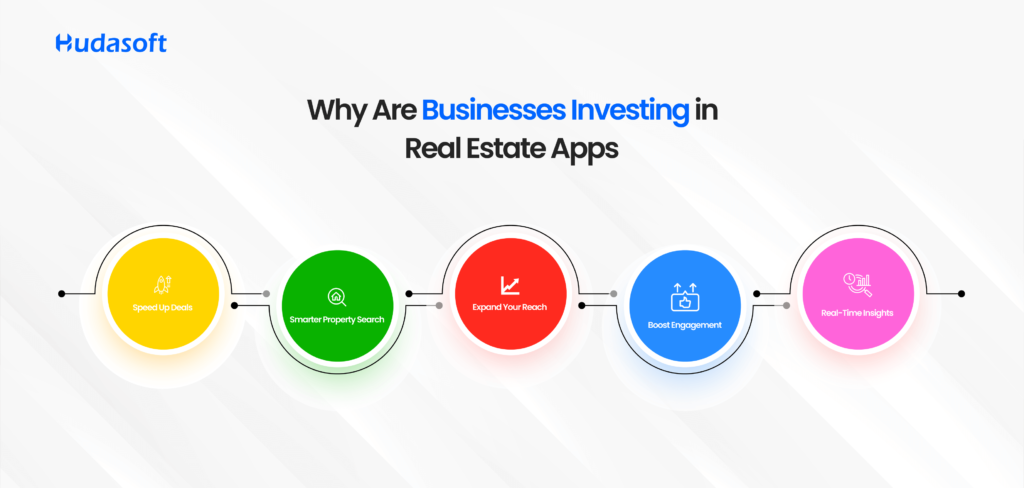
    Why Are Businesses Investing in Real Estate Apps

    Why Are Businesses Investing in Real Estate Apps

    We’re reaching the point where you must have a real estate mobile app to remain competitive and keep pace with the interest in the market. There is a huge demand for real estate mobile apps, and rightfully so.

    1. Speed Up Deals

    Nobody wants to chase agents across 10 emails and 5 phone calls. Apps let buyers book viewings, message agents, and even manage documents all in one place. That means faster closings and happier clients.

    2. Smarter Property Search

    Advanced filters, AI recommendations, and saved searches — modern apps help people find exactly what they’re looking for, and they remember user preferences, so your app gets more helpful over time.

    3. Expand Your Reach

    An app gives you 24/7 visibility. You’re not just showing properties locally — you’re tapping into a global audience of buyers and investors. And with push notifications and promotions, you’re always top of mind.

    4. Boost Engagement

    From 360° virtual tours to in-app messaging, real estate apps keep users engaged. That stickiness turns into loyalty, and that loyalty turns into referrals.

    5. Real-Time Insights

    Your app collects data that helps you understand user behavior: which properties get clicks, when users drop off, and what filters they use most. That means smarter decisions and better marketing.

    Bottom line? A real estate app isn’t just a tool — it’s a growth engine.

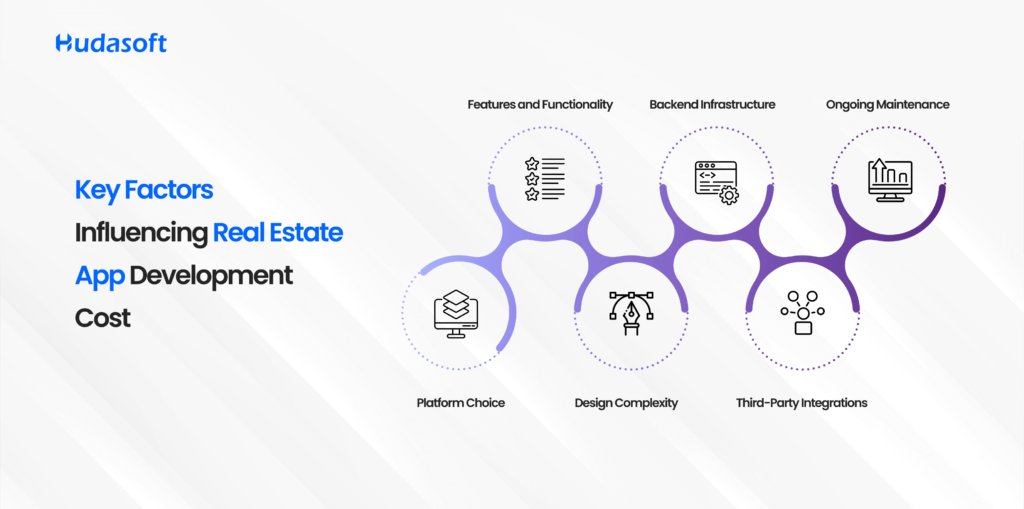
    Key Factors Influencing Real Estate App Development Cost

    Key Factors Influencing Real Estate App Development Cost

    Let’s talk about the actual cost of building one of these apps.

    Here’s the thing: there’s no one-size-fits-all price tag. Just like no two properties are the same, no two apps cost the same either. Your app’s price will largely depend on its complexity, the features you want, and who you hire to build it especially when choosing between basic tools and full-scale real estate app development services tailored to your business needs.

    Let’s break it down:

    1. Platform Choice

    • iOS, Android, or both?
      Building a native app for each platform is more expensive, but it gives you better performance.
    • Want to save costs?
      Go with a cross-platform framework like Flutter or React Native. You get one codebase that runs on both platforms — pretty handy for MVPs.

    2. Features and Functionality

    • A basic app might just include property listings, search filters, and a contact form.
    • But if you’re planning to offer AI-driven recommendations, 3D tours, or digital document signing, expect the budget to go up.

    3. Design Complexity

    Design isn’t just about making things “look nice” — it impacts usability and trust.

    • Minimalist UI? Cheaper.
    • Custom animations, branding, and interactive maps? That’s going to cost more.

    4. Backend Infrastructure

    Think of this as the engine running behind the scenes.

    • You’ll need secure databases, admin dashboards, user authentication, and more.
    • If you’re syncing listings in real time or handling thousands of users, you’ll need solid cloud infrastructure.

    5. Third-Party Integrations

    You probably don’t want to build everything from scratch.
    Plug in things like:

    • Google Maps
    • Payment gateways (Stripe, PayPal)
    • CRM platforms
    • MLS databases
      Each of these adds cost, not just in setup, but often ongoing subscription fees too.

    6. Ongoing Maintenance

    Building the app is just the beginning.

    • You’ll need updates, bug fixes, OS upgrades, and security patches.

    Most teams charge 15–20% of the original development cost per year for ongoing support.

    Average Real Estate App Development Costs

    Here’s a rough idea of what different types of Real Estate apps cost in 2025:

    App TypeEstimated Cost (USD)
    Basic App$30,000 – $50,000
    Mid-Level App$50,000 – $120,000
    Enterprise App$150,000 – $300,000+

    And here’s how the budget might break down:

    • Design – 10–15%
    • Development – 40–50%
    • Testing & QA – 10–15%
    • Deployment – 5%
    • Ongoing Maintenance – 15–20% annually

    Looking for a reliable team to streamline these processes and bring your app idea to life? Hudasoft’s app development services combine industry expertise with cost-effective delivery.

    Cost to Develop an App Like REX Real Estate

    REX Real Estate positioned itself as a modern alternative to traditional brokerages. Instead of relying on human brokers, REX used automation, data analysis, and software applications to streamline buying and selling.

    If you’re aiming to build a modern real estate platform similar to REX, you’ll need a solid feature set.

    Key Features of Enterprise-Level Apps like REX

    • AI-Driven Property Recommendations

    Advanced algorithms analyze buyer behavior, and market data to suggest properties that match their needs more.

    • Virtual Tours
      Interactive 3D tours and property visuals allow buyers to explore homes remotely.
    • CRM Functionalities
      Integrated customer relationship management tools enable real-time communication between agents, buyers, and sellers, while also managing leads, appointments, and client interactions.
    • Transaction Management
      End-to-end digital solutions handle everything from document signing to payment processing and escrow coordination, reducing paperwork and speeding up closings.

    Here’s what your estimated Real Estate app development cost might look like:

    ComponentCost Estimate (USD)
    Frontend$15,000 – $25,000
    Backend$20,000 – $40,000
    AI & ML Integration$25,000 – $50,000
    Third-party APIs$10,000 – $20,000
    Total$70,000 – $135,000+

    Must-Have Features For a Successful Real-Estate App

    A great real estate app isn’t just functional, it’s intuitive, efficient, and built to keep users engaged.

    You don’t need every bell and whistle at launch, but here are the features buyers and agents expect in an MVP:

    • Easy user registration
      Quick, seamless sign-up keeps users engaged and lets them access personalized property matches every time they return.
    • Property listings with detailed info and media
      Makes it easy to upload, edit, and organize listings without hassle.
    • Smart search filters
      Helps users instantly narrow down listings to exactly what they’re looking for. This seamless experience keeps users satisfied.
    • Virtual tours / 3D walkthroughs
      Gives buyers a real feel of properties from anywhere, saving time on in-person visits.
    • Booking and calendar integration
      Lets users instantly book property viewings and get reminders—no back-and-forth needed.
    • Built-in CRM tools
      Helps agents track leads, manage conversations, and close deals faster—all in one system.
    • In-app chat or messaging
      Keeps buyer–agent chats streamlined and accessible without switching to email or WhatsApp.
    • Push notifications (new listings, status updates)
      Sends real-time alerts about new listings, updates, or meeting reminders to keep users engaged.
    • Analytics & reporting

    Offers data-driven insights to improve listings, track user behavior, and boost conversions.

    • Admin panel

    Gives your internal team full control over users, listings, and platform performance from one dashboard.

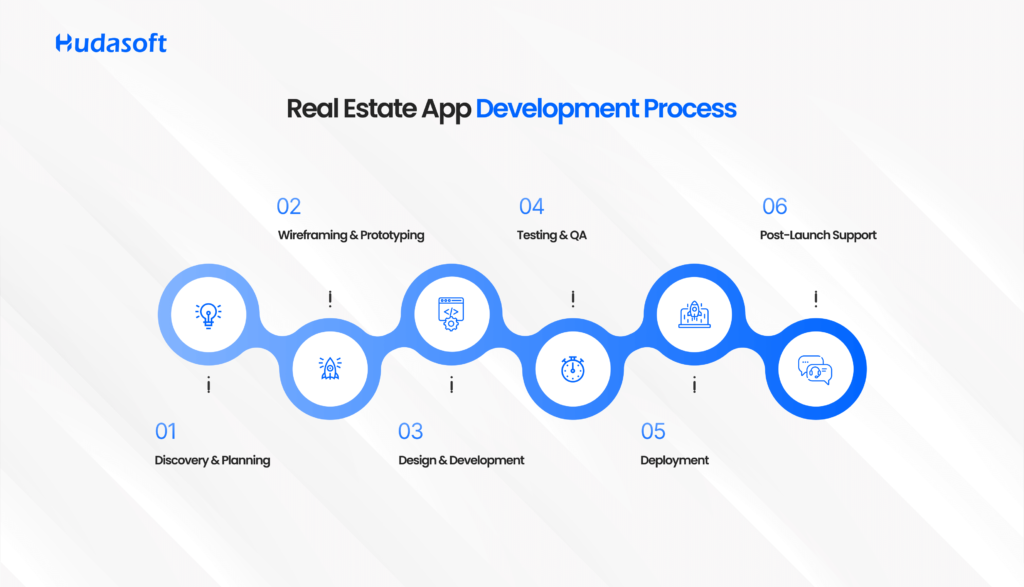
    Real Estate App Development Process

    Real Estate App Development Process

    Here’s your exact step-by-step plan to launch the real estate app to your business needs.

    1. Discovery & Planning

    Define your app’s purpose, audience, and business goals. This is where budget, timeline, and key features are outlined.

    2. Wireframing & Prototyping

    Map user journeys, screen flows, and interactions before development starts. Visualize how users will navigate the app.

    3. Design & Development

    Here’s where your app starts coming to life. Craft the look, feel, and user experience of the app. Create intuitive designs that guide user behaviour.

    4. Testing & QA

    Before launching, the app goes through multiple rounds of testing — both manual and automated — to catch bugs, improve speed, and ensure everything works on different devices.

    5. Deployment

    Time to launch! 

    Run extensive testing to fix bugs and ensure smooth performance. Once stable, publish to App Store, Google Play, or the web.

    6. Post-Launch Support

    Launching isn’t the end — it’s the start of real-world feedback. You’ll need regular updates, bug fixes, security patches, and maybe even new features over time.

    How to Optimize Real Estate App Development Cost

    • Start with an MVP: Focus on must-have features; scale later.
    • Choose the right development team: Offshore teams offer savings.
    • Leverage pre-built components: Save time and cost.
    • Use cloud platforms: Reduce infrastructure management.
    • Adopt Agile methodology: Deliver in sprints and avoid scope creep.

    Hidden Costs to Watch Out For

    • App store submission and renewal fees 

    Annual developer fees for Apple and Google.

    • Cloud hosting and server costs 

    Scalable infrastructure like AWS or Firebase incurs monthly charges.

    • Paid third-party services 

    Map APIs, analytics tools, and CRMs may require subscriptions.

    • Marketing and customer acquisition 

    Advertising and promotions can significantly impact the budget.

    • Legal and compliance fees 

    Meeting standards like GDPR or ADA can require audits and expert guidance.

    Conclusion

    Before you dive into development, getting a clear picture of the real estate app development cost is essential. Pricing can swing significantly depending on the app’s features, platform choice, and overall complexity. 

    But there’s good news; with the right strategy, you can stretch your budget further, speed up your timeline, and get more value from your investment. 

    Whether you’re building a basic property listings app or a feature-rich platform like REX, having a solid roadmap and the right development team by your side can make all the difference.

    FAQs

    How much does it cost to develop a real estate app?

    Anywhere from $30,000 to $300,000+, depending on features and complexity.

    What is the cost to develop an app like REX Real Estate?

    Expect to invest $70,000 to $135,000+ for a platform with AI and advanced features.

    What features increase the cost of real estate app development?

    AI integrations, 3D tours, CRM modules, and secure document handling are major contributors.

    Can I build a real estate app on a budget?

    Yes. Starting with an MVP and selecting a skilled offshore team can keep costs manageable.

    How long does it take to develop a real estate app?

    Typically 3 to 9 months, depending on scope and team size.

  • Automotive ERP: Key Functionality, Integrations, Challenges and Solutions

    Automotive ERP: Key Functionality, Integrations, Challenges and Solutions

    The automotive industry is moving at lightning speed. From the rise of electric vehicles to the growth of smart factories and connected cars, manufacturers, OEMs, and suppliers are facing more complexity than ever before.

    Global supply chains are stretched, margins are shrinking, and customer expectations continue to rise. In this fast-changing market, companies need more than spreadsheets or outdated systems to stay competitive. They need a digital backbone: Automotive ERP.

    A modern Automotive ERP system connects your entire operation, from supply chain and manufacturing to finance, inventory, and customer service. It empowers businesses to move faster, operate more efficiently, and make better decisions.

    In this guide, we explore why ERP is critical for the automotive industry, key challenges it solves, must-have features, essential integrations, real-world use cases, and top ERP platforms to consider.

    Why the Automotive Industry Needs ERP

    The automotive industry faces unique challenges. Supply chains are global and complex, products are becoming more advanced, and regulations are constantly evolving. Many companies still rely on outdated systems that slow them down.

    Today’s automotive businesses need an ERP system that can handle this complexity.

    With Automotive ERP, companies can:

    • Streamline operations across departments
    • Gain real-time visibility into their supply chain and production
    • Ensure compliance with evolving regulations
    • Improve product quality and customer satisfaction
    • Adapt quickly to market changes

    In short, ERP is the heart of a modern, competitive automotive business.

    Challenges in the Automotive Industry — And How ERP Solves Them

    1. Complex Supply Chains

    The Challenge:
    Managing dozens of suppliers and thousands of parts across multiple countries is a massive task. Without real-time visibility, delays, stockouts, and production bottlenecks can quickly occur.

    ERP Solution:
    Automotive ERP provides real-time insights into your entire supply chain. It enables better demand forecasting, supplier collaboration, and inventory optimization, reducing delays and improving efficiency.

    2. Unpredictable Demand

    The Challenge:
    Consumer demand can shift overnight. External factors such as chip shortages or global disruptions can throw production schedules off balance.

    ERP Solution:
    ERP systems help manufacturers adjust quickly to changes in demand with agile production planning. Businesses can update schedules in real time, minimize downtime, and maintain a lean manufacturing approach.

    3. Quality and Compliance

    The Challenge:
    Meeting tough regulatory standards like IATF 16949 or ISO compliance is difficult without automated tracking. Manual systems leave room for errors.

    ERP Solution:
    Automotive ERP automates quality control processes. It tracks inspections, manages defect reporting, and ensures compliance with industry standards, helping businesses avoid costly penalties and recalls.

    4. Disconnected Data

    The Challenge:
    Many companies operate with siloed systems across departments. Disconnected data can result in poor decision-making and wasted time.

    ERP Solution:
    An integrated Automotive ERP system creates a single source of truth for the entire business. It connects finance, production, sales, and supply chain data in real time, enabling smarter, faster decision-making.

    Key Features of Automotive ERP

    A modern ERP system should offer functionality built for the automotive industry. Key features include:

    Supply Chain Management:
    Real-time visibility across suppliers, demand planning, logistics, and warehouse management.

    Production & Shop Floor Control:
    JIT (Just-in-Time) manufacturing, scheduling, MES (Manufacturing Execution System) integration, and real-time production tracking.

    Inventory Management:
    Full traceability of every part and finished product. Helps avoid shortages, minimize waste, and manage recalls if needed.

    Quality Assurance:
    Automated inspections, defect tracking, compliance with ISO and IATF standards.

    Financial Management:
    Integrated accounting, costing, profitability analysis, and financial reporting.

    CRM & Dealer Management:
    Manage dealer networks, customer relationships, and after-sales service efficiently.

    Business Intelligence & Reporting:
    Real-time dashboards and reporting tools to drive better decision-making across all levels of the business.

    Key Integrations for Automotive ERP

    To get the most value, your Automotive ERP should seamlessly integrate with other key systems, such as:

    • MES (Manufacturing Execution Systems)
    • PLM (Product Lifecycle Management)
    • CRM (Customer Relationship Management) platforms
    • SCM (Supply Chain Management) systems
    • IoT devices on the factory floor
    • EDI (Electronic Data Interchange) tools for supplier communications
    • E-commerce portals

    These integrations ensure that your ERP can work as a central hub, providing end-to-end visibility across your entire value chain.

    Real-World Success Stories

    Global Tier 1 Supplier:
    A leading supplier implemented Automotive ERP to synchronize operations across plants in Europe, the US, and Asia. By integrating ERP with MES and PLM systems, they reduced inventory by 20 percent and achieved 98 percent on-time delivery rates.

    Electric Vehicle Startup:
    A fast-growing EV manufacturer used Automotive ERP to manage complex Bills of Materials (BOMs), track battery life cycles, and automate regulatory reporting. As a result, production delays were cut by 30 percent.

    Aftermarket Parts Distributor:
    An aftermarket supplier deployed ERP to optimize inventory across multiple warehouses. This led to faster order fulfillment, higher order accuracy, and a 25 percent improvement in customer satisfaction scores.

    Top ERP Software for Automotive

    If you are considering an ERP system, here are some of the top options in the automotive industry:

    • SAP S/4HANA for Automotive
    • Microsoft Dynamics 365 Supply Chain Management
    • Infor CloudSuite Automotive
    • Epicor Kinetic
    • QAD Adaptive ERP

    Each platform offers unique strengths, depending on company size, location, and business needs. For example, SAP and Microsoft Dynamics are popular choices for global OEMs, while Epicor and QAD offer flexibility for mid-sized suppliers and aftermarket businesses.

    Why Invest in Automotive ERP?

    An Automotive ERP system is a smart investment because it helps businesses:

    • Streamline and automate core operations
    • Reduce production costs and waste
    • Collaborate more effectively with suppliers
    • Improve product quality and regulatory compliance
    • Gain complete visibility across the organization
    • Respond faster to market changes and disruptions

    Ultimately, ERP gives automotive businesses the agility they need to survive and thrive in a competitive market.

    Final Thoughts

    The future of the automotive industry belongs to businesses that can adapt, innovate, and move fast.

    By implementing a modern Automotive ERP, manufacturers, suppliers, and distributors can streamline their operations, improve efficiency, and better serve customers. Whether you are an OEM, a Tier 1 supplier, or an aftermarket distributor, investing in ERP can help you grow faster and stay ahead of the competition.

    If you are ready to explore how Automotive ERP can drive success for your business, connect with Hudasoft. As experts in ERP for the automotive industry, we can help you choose the right solution, implement it effectively, and unlock new opportunities for growth.

  • Automotive Apps: Why You Should Invest and How to Develop Them

    Automotive Apps: Why You Should Invest and How to Develop Them

    The automotive industry is accelerating into the digital era. More and more, customers expect seamless digital experiences that enhance how they interact with their vehicles from buying and servicing, to managing and even controlling their cars. At the core of this shift are automotive apps.

    Whether you’re a dealership, manufacturer, fleet operator, or automotive startup, investing in automotive app development can unlock significant opportunities. In this article, we’ll explore why automotive apps are worth the investment, what challenges to expect, and how to build them effectively.

    Why Invest in Automotive Apps?

    Consumers today live on their smartphones. They’re used to booking services, tracking orders, and managing subscriptions at their fingertips. Naturally, they now expect the same level of convenience from their automotive experiences. With connected car apps, users can schedule maintenance, receive real-time updates, control certain vehicle features remotely, and stay connected with the brand long after the sale.

    For businesses, automotive apps offer more than customer convenience  they help build stronger brand loyalty. When customers have a dedicated app that supports their ownership experience, they’re more likely to stick with your brand for future purchases or services.

    From a revenue standpoint, apps are opening up new streams. Many automakers and dealerships now offer subscription-based services through their apps  from premium connectivity features to digital add-ons and in-app accessory purchases. This shift toward “vehicle-as-a-platform” creates recurring revenue models that extend well beyond the initial vehicle sale.

    Operationally, dealership apps and fleet management apps can streamline internal processes. From automating service bookings to improving inventory visibility and using predictive maintenance insights, the efficiency gains can be significant.

    Challenges in Automotive App Development

    Despite the clear benefits, developing automotive apps comes with challenges. Vehicles are complex systems, and integrating them with an app requires deep technical expertise. The ecosystem of electronic control units, telematics, and proprietary software can make integration tricky, especially when aiming for compatibility across multiple vehicle models.

    Another hurdle is data privacy and security. Automotive apps deal with sensitive information  personal data, vehicle locations, and sometimes remote-control functions. Without strong encryption and adherence to data regulations, you risk legal issues and customer mistrust.

    There’s also the challenge of keeping the app simple and intuitive. It’s tempting to overload an app with features, but doing so can lead to user frustration. Automotive app development should always focus on delivering the most valuable features clearly and efficiently, with room to expand based on user feedback.

    Finally, automotive hardware and operating systems are constantly evolving. Apps need to adapt to new models and software updates, requiring a flexible, scalable, and cloud-based architecture to stay current.

    Building a Successful Automotive App

    The first step in any automotive app development project is defining a clear purpose. What problem will the app solve? Who is the target audience  car owners, dealership staff, fleet managers? Without this clarity, even the most well-built app can fall flat.

    User experience should be a top priority. Fast load times, smooth navigation, personalization based on user profiles, and seamless integration with vehicle systems are all essential. The best apps make life easier, not more complicated.

    Feature selection should align with business goals and customer needs. For consumer-facing apps, remote control of vehicle functions, maintenance scheduling, and loyalty programs are often high-impact. For dealerships, digital service scheduling, inventory management, and CRM integration can deliver major efficiency gains. For fleets, real-time tracking, driver behavior insights, and predictive maintenance are often top priorities.

    Security and scalability are non-negotiable. Cloud-based backends and API-first architectures help ensure that your app can grow and adapt over time. Regular testing, updates, and performance monitoring keep the app reliable and secure.

    Real-World Success Stories

    Industry leaders are already demonstrating the value of automotive apps. Tesla’s app-first experience has set a new standard for connected car apps. BMW’s ConnectedDrive platform delivers advanced remote controls and personalized services. FordPass integrates dealership connections with loyalty rewards. Porsche Connect blends luxury with smart digital experiences.

    These examples show that automotive apps can drive real business impact  from stronger customer engagement to entirely new business models.

    Conclusion

    The future of the automotive industry is digital, and automotive apps are at the heart of this transformation. They enhance customer experience, differentiate brands, unlock new revenue streams, and drive operational efficiencies.

    Of course, success doesn’t come from building an app just to follow a trend. It requires a strategic, well-planned approach to automotive app development, one that starts with clear goals, focuses on the customer experience, and builds in the flexibility to evolve.

    If approached correctly, investing in an automotive app can deliver significant returns positioning your business to thrive in a connected, mobile-first world.

  • How to Hire a Mobile App Development Company in USA

    How to Hire a Mobile App Development Company in USA

    A brilliant app idea can turn into a market hit or a costly flop. The difference often comes down to one decision: who you hire to build it.

    Whether you’re building an AI-powered fintech app, a next-gen ecommerce experience, or an enterprise solution  hiring the right mobile app development company can either accelerate your business or drain your budget. And in a market flooded with agencies and freelancers, choosing the right partner isn’t easy.

    If you’re planning to hire a mobile app development company in USA, this guide will show you how top businesses approach it  and the smart questions they ask  before signing on the dotted line.

    Why Hire a Mobile App Development Company?

    Choosing to hire a mobile app developers team rather than building in-house offers many advantages:

    • Expertise Across Platforms: Get experienced developers for iOS, Android, cross-platform (Flutter, React Native)
    • Faster Time to Market: Established companies follow proven development processes
    • Cost-Efficiency: Save on recruitment, training, and infrastructure
    • Access to Latest Tech: Companies stay updated on trends like AI, AR/VR, IoT integrations
    • Full Product Lifecycle Support: From discovery to launch, and ongoing maintenance

    Why Hire a Mobile App Development Company in USA?

    The USA remains one of the world’s leading hubs for mobile app innovation. When you hire a mobile app development company in USA, you benefit from:

    • Cutting-edge technology adoption
    • Access to experienced talent pool
    • High-quality standards and compliance
    • Time zone alignment for North American businesses
    • Stronger IP and data security practices

    Leading firms in the USA serve clients across industries fintech, healthcare, ecommerce, education, travel, and more.

    Steps to Hire a Mobile App Development Company

    1. Define Your Business Goals

    Before you search for a company, clarify:

    • What problem does your app solve?
    • Target audience & platforms (iOS, Android, both?)
    • Must-have features (push notifications, payments, GPS, AI, etc.)
    • Budget range and timelines

    2. Shortlist Potential Companies

    Search online, check directories (Clutch, GoodFirms), review portfolios, and read client reviews. Prioritize companies that:

    • Have relevant industry experience
    • Showcase successful case studies
    • Offer post-launch support and maintenance

    3. Evaluate Capabilities

    When you’re ready to hire a mobile app development company, assess their:

    • Technical expertise (native, cross-platform)
    • UI/UX design capabilities
    • Development process (Agile, Waterfall)
    • Communication and project management tools
    • Security practices and IP protection

    4. Request Proposals and Compare

    Ask for detailed proposals from your top picks. Compare:

    • Scope of work
    • Estimated timelines
    • Pricing models (fixed price, time & material, dedicated team)
    • Post-launch services

    5. Sign Contracts and Kick Off

    Once you select the right team, formalize agreements covering:

    • Deliverables and milestones
    • Payment terms
    • Confidentiality clauses
    • IP ownership

    Common Mistakes to Avoid When Hiring a Mobile App Development Company

    • Choosing based on price alone
    • Not checking company reviews or past work
    • Vague project requirements
    • No clear communication plan
    • Ignoring post-launch support

    Top Questions to Ask Before You Hire a Mobile App Development Company

    1. What’s your experience with apps in my industry?
    2. What is your typical project timeline?
    3. Who will be on my project team?
    4. What’s your development methodology?
    5. How do you ensure app security and data privacy?
    6. What’s your post-launch maintenance policy?

    Final Thoughts: Ready to Hire a Mobile App Development Company?

    When you hire a mobile app development company in USA, you’re not just outsourcing technical work  you’re choosing a partner who can help bring your vision to life. The right firm will guide you from strategy to launch and beyond, ensuring your app drives real business impact.

    Take the time to research, compare options, and choose a development partner that aligns with your goals. Your future app  and your business  will thank you.

    FAQs

    How do I hire a mobile app development company?
    Start by defining your app goals, shortlisting experienced companies, evaluating proposals, and choosing a partner who offers both expertise and alignment with your business vision.

    Why hire a mobile app development company in USA?
    Companies in USA offer deep expertise, advanced tech capabilities, and high-quality standards  ideal for businesses seeking innovative, scalable mobile apps.

    What should I look for in a mobile app development company?
    Look for proven experience, industry knowledge, strong portfolios, positive client reviews, transparent processes, and good communication.

    How much does it cost to hire a mobile app developers?
    Costs vary depending on project complexity. Basic apps may start around $15K–$25K, while complex apps can range from $50K and up. A USA-based company typically offers detailed estimates after a discovery phase.

    How to hire a reliable mobile app development company?Look for companies with a proven track record, strong client reviews, and live apps in the market. Ask about their team’s expertise, development process, security practices, and post-launch support. Trusted partners like Hudasoft offer transparent communication, structured processes, and a focus on delivering business value  not just code.

  • Top Trends in Mobile App Development 2025

    Top Trends in Mobile App Development 2025

    The mobile app market in 2025 is anything but predictable. What was cutting-edge two years ago is now standard. Today’s users expect smarter, faster, more immersive mobile experiences and businesses that fail to deliver will fall behind.

    So what exactly is driving this next wave of innovation?

    In this guide, we break down the top trends in mobile app development 2025 from AI-powered personalization to Web3 integrations. Whether you are launching a new app or updating an existing product, these insights will help you align with where the industry is headed and build for what’s next.

    1. AI Everywhere  From Personalization to Predictive UX

    Artificial intelligence is no longer an extra feature; it is the backbone of many successful apps. In 2025, AI powers seamless, intuitive user experiences across industries.

    AI-driven trends include:

    • Predictive UX: Apps anticipate user needs and actions
    • Hyper-personalization: Content, offers, and UI adjust in real time
    • Conversational AI: Chatbots and voice assistants replacing static menus
    • AI-driven recommendations: Personalized content curation and user journeys

    AI-powered apps that continuously learn from user behavior are driving deeper engagement and stronger long-term retention. Any mobile app that does not leverage AI in 2025 will struggle to stay competitive.

    2. Superapps and Miniapps

    One of the most important emerging trends in mobile apps is the rise of superapps platforms that combine multiple services into a single ecosystem.

    Why superapps matter:

    • Fewer apps, more value for users
    • More engagement per user
    • Increased lifetime value through service integration
    • Stronger brand loyalty within an ecosystem

    Global markets like the USA are now seeing superapps gain traction in fintech, ecommerce, and lifestyle sectors. Businesses that build ecosystem-friendly apps in 2025 will stand out.

    3. Voice Interfaces

    Voice-enabled apps are growing in popularity as users expect hands-free, intuitive experiences across devices.

    Voice-driven trends in 2025 include:

    • Voice commerce: Completing transactions with voice
    • Voice navigation: Moving through apps and content via voice commands
    • Accessibility: Enhanced experiences for users with disabilities
    • Multimodal UI: Combining touch, voice, and gesture inputs

    Integrating voice-first interfaces into your mobile app is quickly becoming essential, particularly in retail, healthcare, and automotive sectors.

    4. 5G-Optimized Experiences

    The global rollout of 5G has opened new possibilities in app performance and design.

    5G enables:

    • Real-time HD and 4K video streaming
    • Low-latency AR and VR experiences
    • Seamless cloud gaming
    • Instant data sync across devices
    • Faster load times, driving higher conversion rates

    Optimizing your mobile app for 5G in 2025 is no longer optional if you want to deliver best-in-class user experiences.

    5. AR and VR Going Mainstream

    Augmented reality (AR) and virtual reality (VR) have moved beyond gaming into mainstream mobile apps.

    Top use cases:

    • AR try-on: Fashion, beauty, and home goods
    • AR navigation: Airports, malls, stadiums
    • AR for training, education, and remote work
    • VR-enhanced wellness and fitness apps
    • AR/VR in real estate, such as virtual property tours

    Blending physical and digital experiences is proving to be a key driver of user engagement and brand loyalty.

    6. Low-Code and No-Code Development

    One of the most transformative mobile app trends 2025 is the growth of low-code and no-code platforms.

    These tools:

    • Accelerate app development by up to 70 percent
    • Enable non-developers to build functional apps
    • Lower costs for MVPs and prototypes
    • Support faster iteration and market testing

    A skilled mobile app development company often combines low-code solutions with custom development to help businesses innovate quickly without sacrificing flexibility or scalability.

    7. Cross-Platform Development

    Cross-platform frameworks such as Flutter and React Native continue to evolve, reducing the gap between native and cross-platform performance.

    What is driving this trend:

    • Businesses need to reach both iOS and Android users efficiently
    • Unified codebases lower development costs
    • Maintenance and feature parity are easier to manage
    • Time-to-market for MVPs is significantly faster

    Modern cross-platform apps are capable of delivering near-native experiences, making this an increasingly popular choice for businesses in 2025.

    8. Privacy-First Development

    With increasing regulatory scrutiny and consumer awareness, privacy-first development is now a baseline expectation.

    Key privacy trends:

    • Transparent data usage policies and user opt-ins
    • On-device AI processing to reduce cloud dependencies
    • End-to-end encryption by default
    • Privacy certifications in app stores
    • Zero-trust architectures

    Apps that prioritize privacy and data security will win user trust and avoid potential legal and compliance risks.

    9. Sustainable and Green Apps

    Sustainability is influencing app design and architecture in 2025.

    Green UX trends include:

    • Designing apps that minimize energy consumption
    • Reducing battery drain and data usage
    • Supporting dark mode to lower energy use on OLED devices
    • Promoting eco-friendly behaviors through app incentives
    • Highlighting corporate sustainability initiatives through app channels

    Sustainable app design is not just good for the planet  it resonates with modern consumers who increasingly prefer eco-conscious brands.

    10. Web3 and Blockchain Integrations

    Decentralization and blockchain are gaining momentum in mainstream apps.

    Emerging Web3 use cases include:

    • Blockchain-based loyalty programs
    • Digital collectibles and NFT integrations
    • Decentralized finance (DeFi) apps
    • Web3-enabled gaming
    • Blockchain-based identity and data verification

    Many brands are beginning to experiment with Web3 elements to prepare for a more decentralized digital future.

    Final Word: Stay Ahead with These Top Mobile App Development Trends

    The mobile app landscape is advancing rapidly. Users in 2025 expect apps to deliver:

    • Intelligent personalization
    • Fast and seamless experiences across platforms
    • Immersive AR and VR features
    • Enhanced privacy and sustainability
    • Forward-looking integrations with AI and Web3 technologies

    To thrive in this environment, businesses must build with these top trends in mobile app development 2025 in mind.

    If you are looking for a proven mobile app development company that understands where the market is headed and can help you stay ahead, Hudasoft is here to help. We work with clients across industries to design, build, and launch apps that are ready for the future.

    Whether you need a full-scale enterprise app, a fast-moving MVP, or an innovative ecosystem experience  our team is ready to partner with you.

    FAQs  

    What are the top trends in mobile app development 2025?
    AI-powered personalization, superapps, voice-first interfaces, 5G optimization, AR/VR, low-code platforms, cross-platform development, privacy-first design, green UX, and Web3 integrations are shaping the mobile app landscape this year.

    Why should businesses pay attention to emerging trends in mobile apps?
    Staying ahead of mobile trends helps businesses better engage users, stay competitive, and future-proof their apps for long-term growth.

    How can I integrate these trends into my mobile app?
    Working with an experienced development partner like Hudasoft can help you align these trends with your business goals and deliver an app that stands out in the market.

    Are low-code platforms suitable for enterprise apps?
    For many internal apps and MVPs, low-code can accelerate development. For more complex apps, combining low-code with custom development offers a balanced solution.

    Is cross-platform development still a smart choice in 2025?
    Yes. Frameworks like Flutter and React Native continue to evolve, making cross-platform development a highly effective way to build high-quality apps quickly and cost-efficiently.

  • MS ERP Implementation Methodology: Success by Design

    MS ERP Implementation Methodology: Success by Design

    When it comes to implementing an ERP system, the stakes are high. One wrong step, and the whole organization can feel the ripple effects—lost time, wasted budget, and frustrated users. But when done right, an ERP rollout transforms operations, aligns departments, and fuels smart, data-driven decisions. With Microsoft’s ERP solutions, success doesn’t come from chance or guesswork—it comes through the MS ERP Implementation Methodology, a proven approach designed to ensure long-term business success.

    That’s where Microsoft’s proven approach, known as the Success by Design methodology, enters the picture. This structured framework helps businesses navigate the complex terrain of ERP implementation with confidence and clarity. Whether you’re adopting Dynamics 365 Finance, Supply Chain Management, or Business Central, this methodology sets the foundation for lasting success.

    Phase 1: Initiate – Laying the Groundwork

    Every great implementation starts with a clear purpose. In the Initiate phase, businesses focus on aligning stakeholders, defining objectives, and understanding business processes at a high level. It’s more than a kickoff  it’s about setting the vision. Microsoft encourages organizations to establish strong governance and ensure everyone from project managers to end-users is on the same page. By building this solid foundation early, teams are better prepared for what’s ahead.

    Phase 2: Design – Mapping the Future

    This is where strategy meets structure. During the Design phase, your future ERP system begins to take shape. Business processes are reviewed, streamlined, and mapped into the capabilities of Microsoft ERP. It’s not just about replicating old workflows it’s about improving them. This stage involves defining data migration plans, identifying necessary integrations, and ensuring your configuration choices align with your long-term goals. As Microsoft explains in their official Success by Design documentation, the goal is to minimize customization by leveraging standard capabilities wherever possible.

    Phase 3: Build – Bringing the System to Life

    With the blueprint in place, it’s time to bring your ERP system to life. The Build phase is a critical step in the ERP implementation journey, focusing on configuring modules, setting up security, migrating data, and ensuring the system reflects your business logic. It’s where theory becomes practice. This phase also includes early testing to catch issues before they snowball. Microsoft’s ecosystem, including tools like Power Platform, makes this process more flexible, enabling teams to tailor the system without writing excessive custom code.

    Phase 4: Test – Trust the Process

    Before go-live, testing is critical. This isn’t the time to cut corners. In the Test phase, users validate the system through real-life scenarios, known as User Acceptance Testing (UAT). It’s a final checkpoint to ensure everything from data accuracy to process flow is working as expected. Performance testing and security validation also happen here, helping teams build trust in the system. Microsoft encourages businesses to involve actual end-users at this stage, turning feedback into final refinements that drive smoother adoption.

    Phase 5: Deploy – Launch with Confidence

    Go-live day is often met with excitement and nerves. But with the Success by Design approach, deployment is a well-managed process, not a chaotic leap of faith. This phase includes final data loads, user training, and cutover plans. Microsoft’s methodology also recommends completing a Go-Live Readiness Review to ensure everything is in place from help desk support to contingency plans. It’s about transitioning smoothly, not just launching quickly.

    Phase 6: Operate – Continuous Improvement

    ERP implementation doesn’t end at go-live it evolves. The Operate phase focuses on stability, user support, and optimization. Teams monitor system performance, resolve post-launch issues, and start collecting real-world feedback. With Microsoft’s regular updates and expanding features, businesses have the opportunity to enhance functionality over time. Continuous improvement becomes part of the culture, ensuring the ERP system remains a valuable, scalable asset for years to come.

    MS ERP Implementation Methodology

    Why Success by Design Works

    What makes Microsoft’s approach unique is its balance between structure and flexibility. The Success by Design methodology guides organizations step by step, but it also adapts to different industries and business models. It’s supported by Microsoft’s FastTrack program, giving customers access to guidance, best practices, and technical expertise throughout the journey. This proactive support drastically reduces the risk of failure and increases the likelihood of achieving a strong return on investment.

    MS ERP Implementation Methodology

    Final Thoughts

    ERP implementation is no small task, but with the right methodology, it doesn’t have to feel overwhelming. Microsoft’s Success by Design framework transforms what could be a painful process into a strategic transformation. By focusing on planning, testing, and continuous improvement, businesses can unlock the full power of their ERP solution—from day one and beyond.

    Ready to take control of your ERP journey? Don’t just go live—go smart, go strategic, and succeed by design.